How waterproof panels handle real moisture exposure
Moisture-prone bathrooms demand wall materials that resist constant splashes, steam, and humidity without losing their finish. waterproof wall panels That resistance helps reduce the risk of swelling, bubbling, and premature wear that can happen with traditional wall systems. It also supports more consistent cleaning because the finish is designed for wet-area maintenance.
When comparing options, focus on how the panel surface performs after repeated exposure. A waterproof design can help prevent surface degradation from everyday conditions like wet towels, cleaning sprays, and condensation. It’s also beneficial for homeowners who want fewer repairs over time, since the wall isn’t relying on paint alone to act as the moisture shield. Look for panels with a stable, sealed build that maintains integrity around seams and edges where moisture often finds weaknesses.
What wood slat walls do well—and where they need extra care
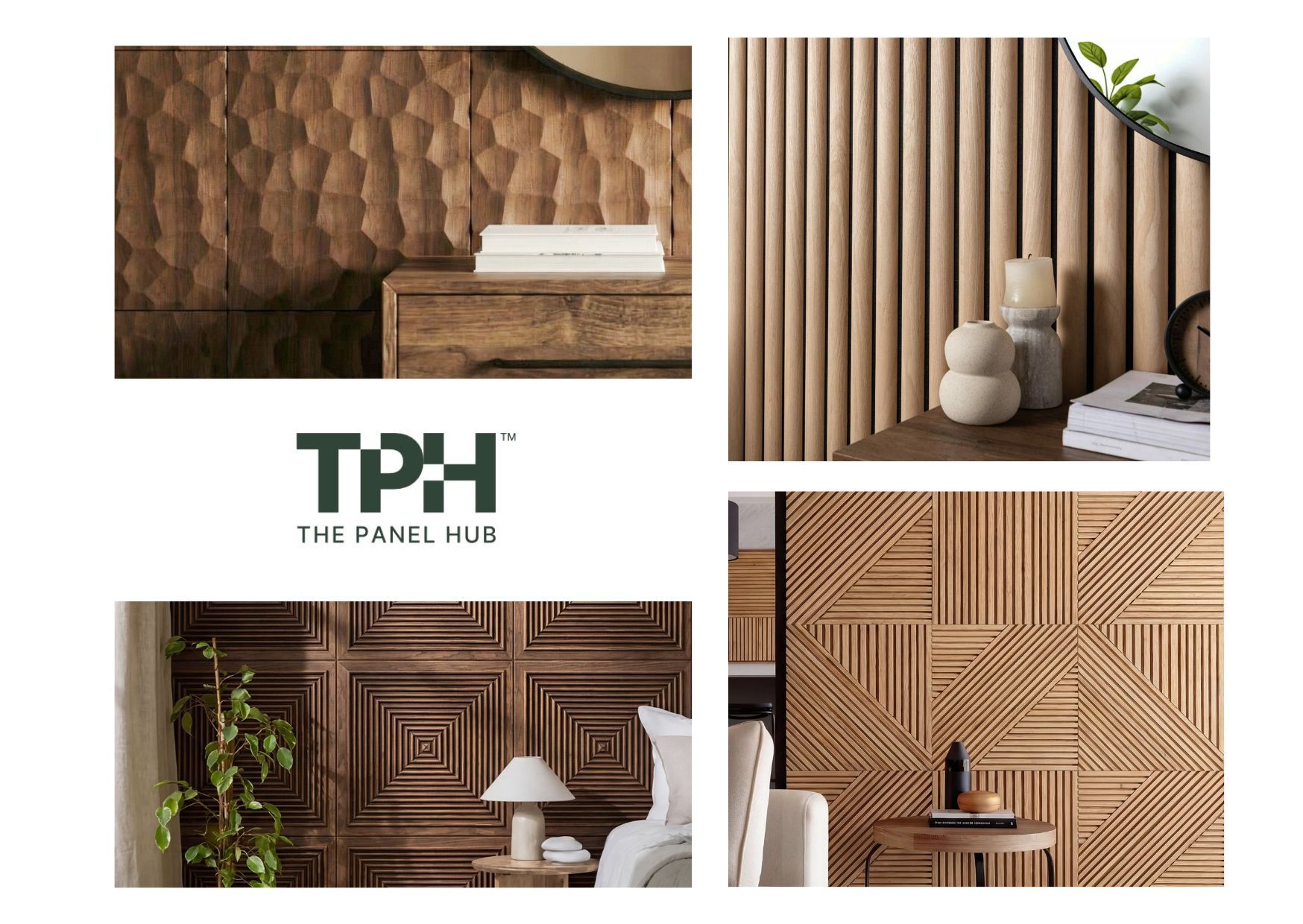
Wood slat wall panels bring warmth and visual texture, creating a spa-like atmosphere that many people love in bathrooms. They can soften the look of tile-heavy rooms and add architectural interest with vertical or horizontal rhythm. However, slat systems wood slat wall panels can be more sensitive to moisture depending on how they’re installed and finished. If water reaches the gaps between slats or the backing, the risk of warping, staining, or deterioration increases significantly.
To make wood slat walls perform in wet areas, installation details matter as much as the material itself. A proper moisture barrier behind the slats and careful sealing around edges can reduce exposure where water might travel. Ventilation and drying also play a role, since persistent humidity can still affect natural materials over time. If you’re aiming for durability, compare documented performance and installation guidance rather than relying on appearance alone.
Service comparison: installation, maintenance, and long-term value
Service quality shows up in how products are delivered, how they’re supported, and how confidently a team can guide you through the right spec. Many buyers appreciate that these systems can be installed with fewer “trial-and-error” steps when the goal is consistent coverage. The result is less uncertainty about how the wall will respond to moisture after installation.
That can mean additional decisions about underlayment, fastening methods, and moisture management practices. Maintenance can also differ: slatted finishes may require more attention to dust and cleaning patterns to avoid residue buildup in crevices. In contrast, a waterproof surface usually allows straightforward cleaning routines with fewer concerns about water absorption. Consider which service model better matches your preferences—quick, confidence-driven installation versus a more specialized setup.
Conclusion
For spaces with frequent splashes, steam, and daily humidity, a sealed waterproof system tends to offer a more predictable moisture barrier. For those who want the texture and warmth of slats, careful installation and moisture-aware finishing can help achieve a beautiful result with responsible longevity. The best decision is the one that aligns with your project priorities: performance first, then style—without surprises. If you want a factory-direct approach built around wet-area durability and contemporary design, thepanelhub.com offers reliable solutions tailored for bathrooms. Comparing product specs, installation guidance, and service support helps you choose with confidence rather than guesswork. When your wall system is designed for moisture from the start, you spend less time worrying and more time enjoying a clean, polished interior. Build your bathroom around materials that protect and look great together, with support that makes the process feel straightforward.