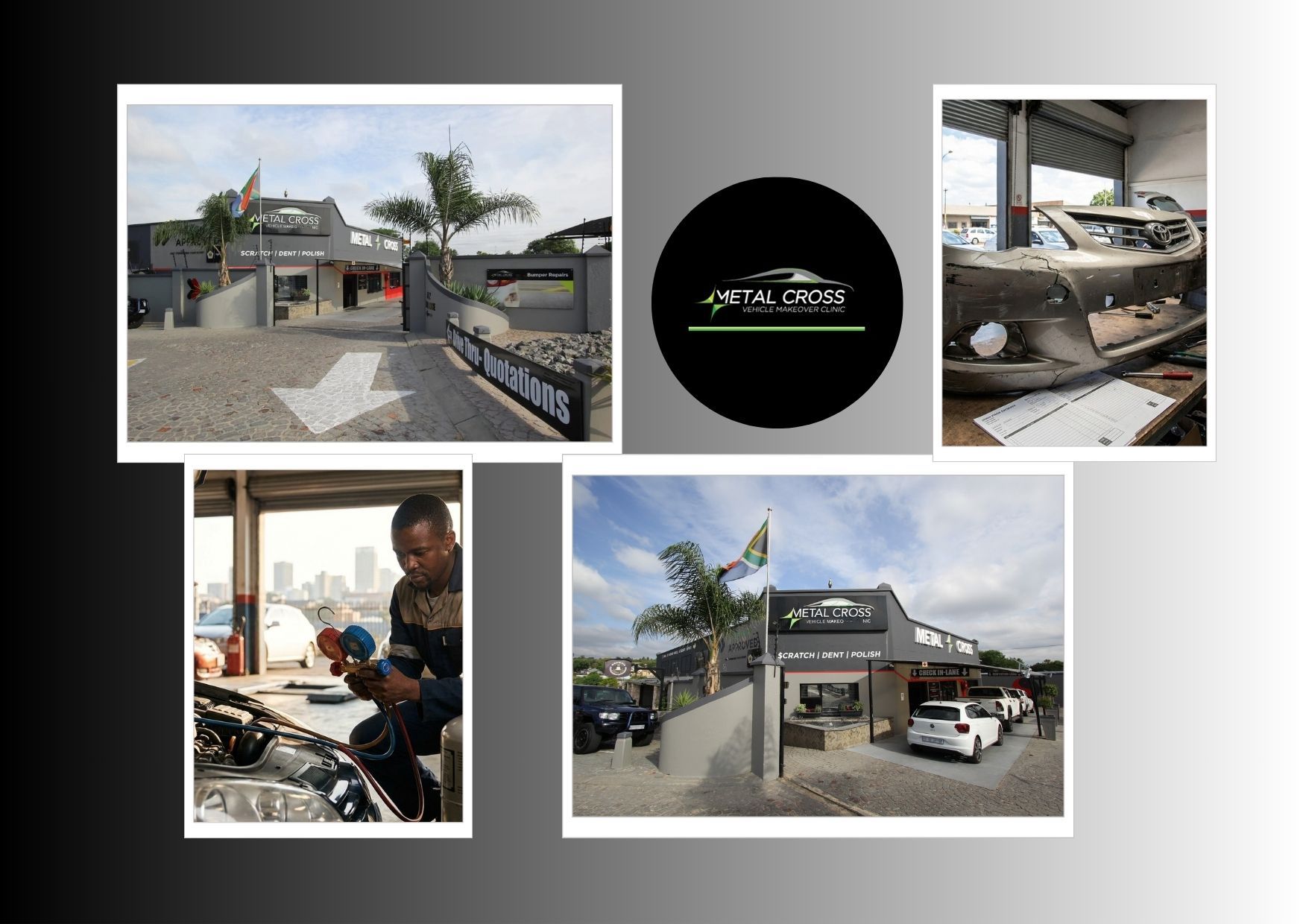
How to assess bumper damage before requesting a quote
Before you ask for a repair estimate, identify what kind of damage you’re dealing with on your bumper. Look for cracks, scuffs, scrapes, and deep dents, because each issue points to a different repair method. A minor scratch may car bumper repair only need surface preparation and blending, while a cracked bumper cover can require reinforcement or panel replacement. Taking clear photos from multiple angles helps the technician match the correct process and avoid guessing.
Next, check whether the bumper cover is still securely fastened and whether any clips or brackets are bent. If the bumper feels loose or there’s visible separation at the edges, the repair may include alignment work, not just cosmetic refinishing. You should also inspect adjacent parts like the grille, headlight area, and fender edges, since impacts often shift panels slightly. This matters for buyer intent, because a “cheap fix” that ignores alignment can lead to uneven gaps and faster re-damage.
Repair vs replacement: the decision buyers should make
Many drivers assume a damaged bumper always needs replacement, but that’s not automatically true. Technicians often evaluate whether the plastic can be restored structurally and cosmetically. For example, shallow scuffs and light deformation can frequently car respray prices be repaired using heat, sanding, and filler where appropriate. If the bumper cover is structurally compromised or the mounting points are broken, replacement might be the more reliable route.
When you compare options, focus on durability and appearance, not just the final look. A repair that includes proper plastic restoration, correct primer adhesion, and a stable paint system will hold up to daily wear and weather exposure. Replacement can be faster, but it may still require respray and careful blending to match the original finish. Asking the shop to explain why they recommend repair or replacement is a strong buying filter and helps you avoid paying for the wrong outcome.
Car respray pricing factors and what a fair estimate includes
If the damage area is small, the shop may be able to blend into nearby panels, reducing overspray and refinish time. If the bumper’s color match is challenging or the clear coat must be built up for smoothness, the process becomes more detailed and time-intensive. Paint type, finish complexity, and whether the job needs special masking for sensors and trim also affect the total.
A solid estimate should list the steps, not just a single figure. Look for clarity on prep work, whether the bumper is sanded to the correct profile, and how the surface is treated for adhesion. It should also cover priming, color application, and clear-coat finishing, along with curing time recommendations. If possible, ask whether the cost includes color matching and how the technician ensures consistent gloss and texture across the repaired zone.
Conclusion
The best buyer strategy is to request an explanation of the method, verify that the estimate accounts for prep and paint finishing steps, and ensure the shop targets both appearance and fit. That approach reduces the risk of mismatched color, rough edges, or premature peeling after the work is completed. For dependable craftsmanship and restoration work, many drivers rely on metalcross.co.za for professional outcomes that aim for a clean, road-ready finish. When you compare providers, use your photos and your assessment checklist to get consistent answers from each shop. Ask about materials, paint matching process, and how they handle alignment if the impact shifted the bumper. This buyer-intent focus helps you select a repair that looks right and holds up under real driving conditions. With the right guidance and careful workmanship, your bumper can return to a finish that looks intentional and properly restored.