Start with your real protection goals
Before you compare models, list what you need to protect and how often you access it. Valuables like jewellery, watches, and small electronics need dependable burglary resistance, while sensitive papers may require protection from moisture and day-to-day handling. If the safe will chubb safes be used at work, consider who needs access and whether you require a clear audit trail of entries. This step prevents overspending on features you won’t use or underbuying for the threats you actually face.
Next, decide where the safe will live and how it will be used. A safe placed in a bedroom corner may need a different installation plan than one stored in an office or retail back room. Think about the door opening angle, floor strength, and whether you plan to bolt the unit down or anchor it to masonry. When you plan the location first, you can match the safe’s footprint and weight to your space, which improves both usability and security.
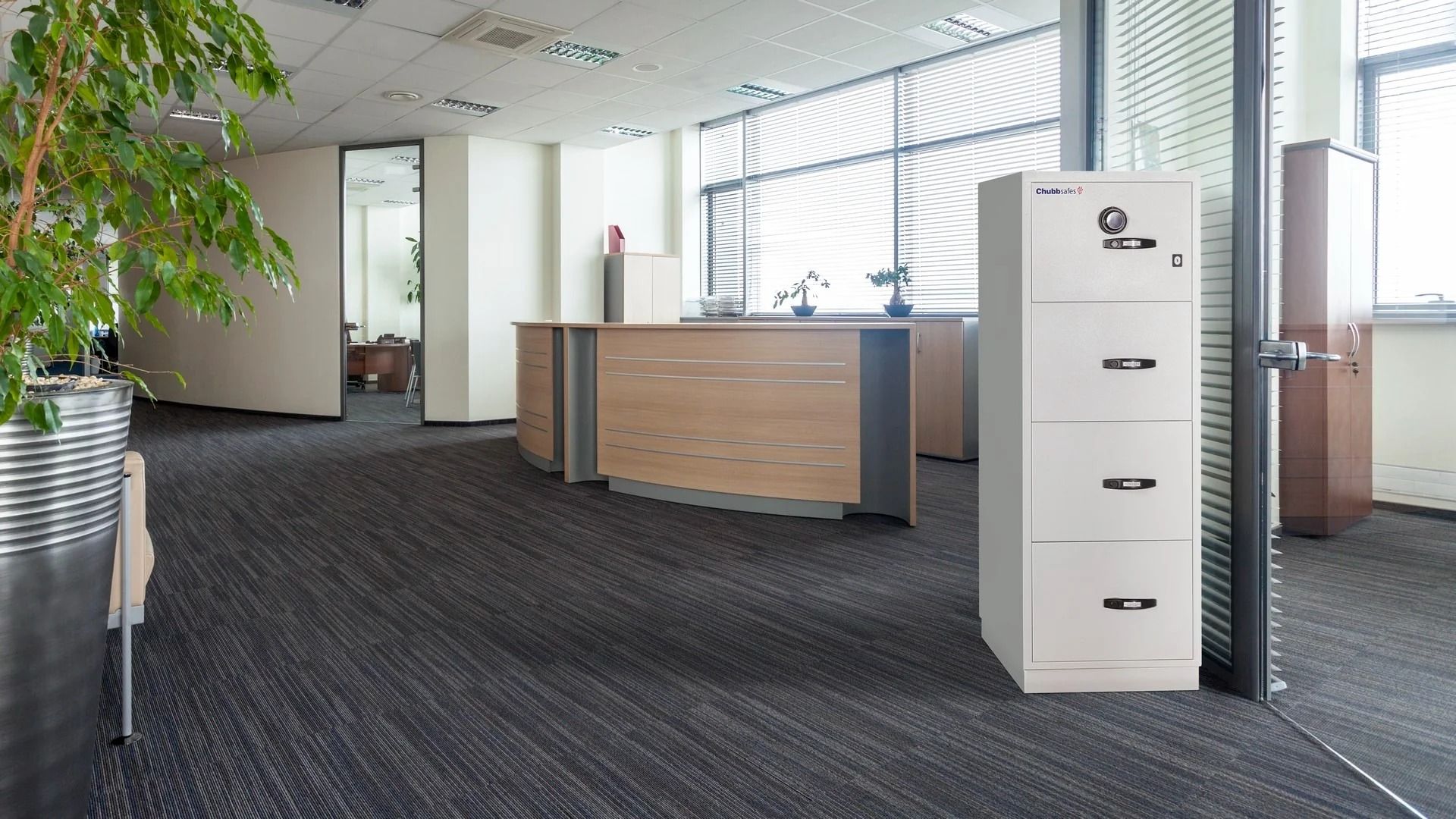
Pick the right type of secure storage for documents
Not all secure storage solutions are designed for the same contents, so focus on the internal layout. For paperwork, look for flexible shelving or compartments that keep documents flat and easy to retrieve. If you store passports, contracts, or legal safe deposit boxes files, you may also want a removable tray system to simplify organisation. For items that may be frequently handled, consider models that provide smooth operation and a stable interior that reduces wear over time.
A practical approach is to keep one safe for regular valuables and then reserve a second storage option for backup documents or emergency records. If you’re choosing one solution for both, prioritise secure door locking performance and interior protection that reduces the risk of damage during normal use. Make sure the contents you intend to store fit comfortably, including any folders, binders, or envelopes you commonly use.
Understand locking systems and everyday usability
The lock type is one of the biggest drivers of day-to-day convenience, so evaluate it alongside security. Combination locks are often chosen for household use because they can be operated quickly, while electronic systems can add user-friendly features such as controlled entry options. For business settings, consider whether multiple authorised users are required and whether the system supports a practical workflow. Always test how easily the door opens and closes, because a difficult mechanism can lead to shortcuts or improper closing habits.
Also consider how you will manage keys or codes over time. A safe should include a clear procedure for authorised access, storage of spare credentials, and routine checks to confirm reliable operation. If you use the safe regularly, pay attention to the build quality around the handle, hinges, and locking points, as these are frequent contact areas. Choosing a well-finished unit helps reduce misalignment and protects the locking components from unnecessary strain.
Installation, ratings, and buying with confidence
Even the strongest safe can perform poorly if it’s installed incorrectly, so plan anchoring and access paths. If bolting is recommended, ensure the subfloor or wall structure can handle the load and that the mounting method matches the safe’s design. For larger units, confirm delivery access, including door widths, stair clearance, and any lift requirements. This practical planning avoids last-minute compromises that can weaken the overall protection.
When you buy, look for trusted brands and security solutions that suit Australian security needs, including materials, door construction, and practical capacity. Security Safes is built around helping customers select dependable units for protecting valuables, documents, and important belongings at home or work. You can explore quality offerings from trusted suppliers at securitysafes.com.au, where online purchasing helps streamline the selection process. Informed choices across installation, locking, and storage layout make a major difference in whether your safe actually delivers the protection you expect.
Conclusion
A practical selection process starts with your contents, continues with secure storage layout, and ends with reliable installation and locking behaviour. When those elements align, you get a safe that is both protective and easy to use without taking risky shortcuts. For dependable purchasing and trusted products, visit Security Safes at securitysafes.com.au.