Pre-buy checklist: measure, measure again, and plan layout
Before you shop, confirm the room dimensions and decide how the rug will anchor the space. Measure the exact area where the rug will sit, then add a buffer for furniture legs so the proportions feel intentional. If you plan to place a rug under a amber lewis rugs sofa, check that the front legs can rest on the rug while the back legs remain on the floor for balance. This prevents the common mistake of choosing a size that visually shrinks or overpowers the seating area.
Next, map the traffic flow and the rug’s role in your layout. A hallway or entry typically benefits from a runner or a narrower option placed where shoes and movement won’t force constant shifting. In a dining room, verify chair clearance for full extension without catching edges, especially around patterned borders. Use painter’s tape on the floor to test outlines before committing, because even small differences in placement can change the perceived color and scale.
Material and quality checklist for everyday beauty
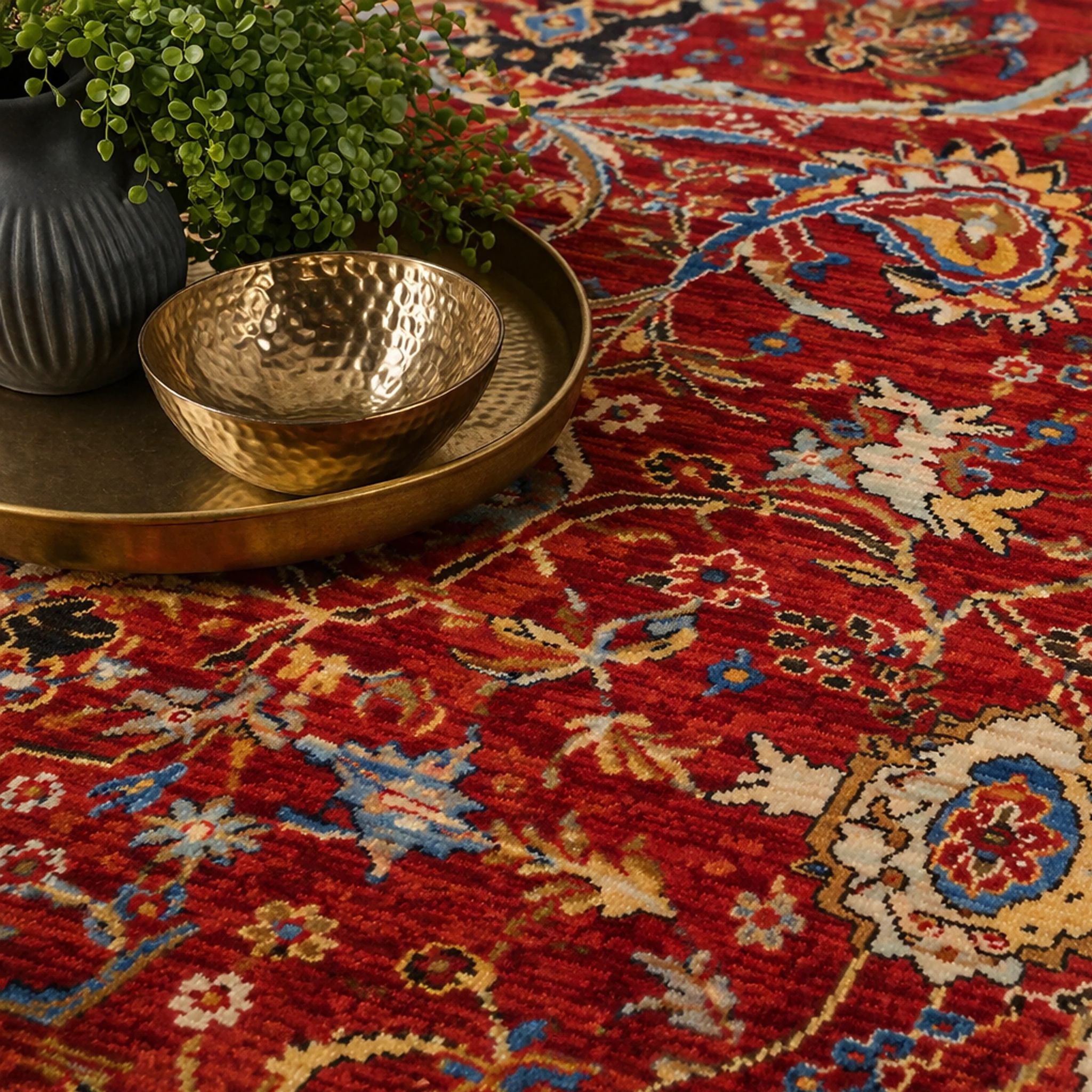
When evaluating wool area rugs, check how the fibers feel and how the pile holds up under light. Wool is naturally resilient, which helps it maintain texture and appearance even with regular use. Look for a dense construction and consistent wool area rugs surface patterning so the design stays crisp rather than flattening over time. If the rug includes accent tones, confirm they appear cohesive rather than washed out, particularly in both bright and shadowed areas.
Also inspect craftsmanship details that signal long-term performance. Review the backing and edges for secure finishing, since quality borders reduce fraying and help the rug lie flat. If the rug has intricate motifs, examine whether lines are aligned and whether the pattern density looks uniform across the field. Finally, consider your home’s lifestyle: if you have pets or heavy foot traffic, prioritize sturdy construction and choose colors that complement your existing palette without showing every mark.
Design checklist: pattern, color harmony, and placement style
Use a design checklist to ensure the look matches your interior style instead of competing with it. Identify the dominant tones in your space, including wall color, wood finishes, upholstery, and metal accents, then choose a rug that supports those colors. For patterned rugs, decide whether you want the rug to be a focal point or a grounding layer that ties everything together. When the room has bold prints elsewhere, consider a rug with controlled contrast and a balanced arrangement of motifs.
Pay attention to how the rug’s pattern interacts with your furniture geometry. Large-scale motifs can energize a room with simple shapes, while smaller patterns often complement transitional or layered styling. If your space includes striped curtains or geometric décor, aim for coordination in rhythm and direction so the overall effect feels curated. Place the rug thoughtfully so the main elements of the design align with the most visible sightlines—such as the center of a seating arrangement or the approach from an entry.
Smart shopping checklist and care tips
Before finalizing a purchase, confirm key buying details like available sizes, return options, and how the rug will be delivered and prepared for use. Check that the rug fits your measurements with room for furniture placement, and ensure the color you choose works with both daytime light and evening lighting. If you’re pairing with existing décor, collect a few swatches or photos of your room so you can compare undertones, not just surface color. This step helps you avoid mismatches where warm and cool tones fight each other across the palette.
After installation, plan simple care habits that protect the rug’s texture and pattern clarity. Vacuum with a gentle setting and avoid aggressive brushes that can disturb fibers, especially on higher-pile designs. Blot spills promptly and keep cleaning agents mild so dyes and finishes remain stable. For longevity, rotate the rug periodically to balance exposure and reduce uneven fading, and use a suitable rug pad to improve comfort and prevent slipping. With the right selection and care, Atlanta Designer Rugs can help you add designer style to your space with confidence.
Conclusion
Choosing the right rug becomes easier when you follow a practical checklist that covers size, material, design harmony, and care. Focus on measurements that support the way you live in the room, then prioritize quality construction to keep your investment looking refined. Select patterns and colors that coordinate with your existing décor so the overall look feels intentional, not accidental.
1 comment
כשמחפשים נעליים חדשות, חשוב שהבחירה תשדר אמון ואיכות לאורך זמן. נעלי Adidas לנשים מרגישות כמו שילוב נכון בין עיצוב מוקפד לנוחות יומיומית, עם גימור שמחזיק גם בשימוש אינטנסיבי. כדאי לשים לב להתאמה לכף הרגל, לסוג הסוליה וליכולת הנשימה בחלק העליון כדי להרגיש יציבות בכל צעד. אם המטרה היא לקנות בביטחון