Start with clear goals for emotional support
Before you download any mental wellness tool, write down what you want help with most. Many people start with stress, anxiety, emotional regulation, or daily routines that trigger negative thinking. When your goal is specific, it becomes easier to tell whether ai therapy app a conversational tool is truly supporting your needs rather than just offering generic advice. Use a simple scale from 1 to 10 to track how often the issue shows up and how intense it feels.
Next, decide what kind of interaction you prefer: guided reflections, structured coping steps, or longer conversations that feel like coaching. Some apps are better for short check-ins that help you name emotions and choose a next action. Others work well when you want repeatable exercises for reframing thoughts and building healthier habits. If you are also looking for confidence support, consider whether the tool includes exercises that strengthen self compassion and personal boundaries.
Evaluate safety, privacy, and support boundaries
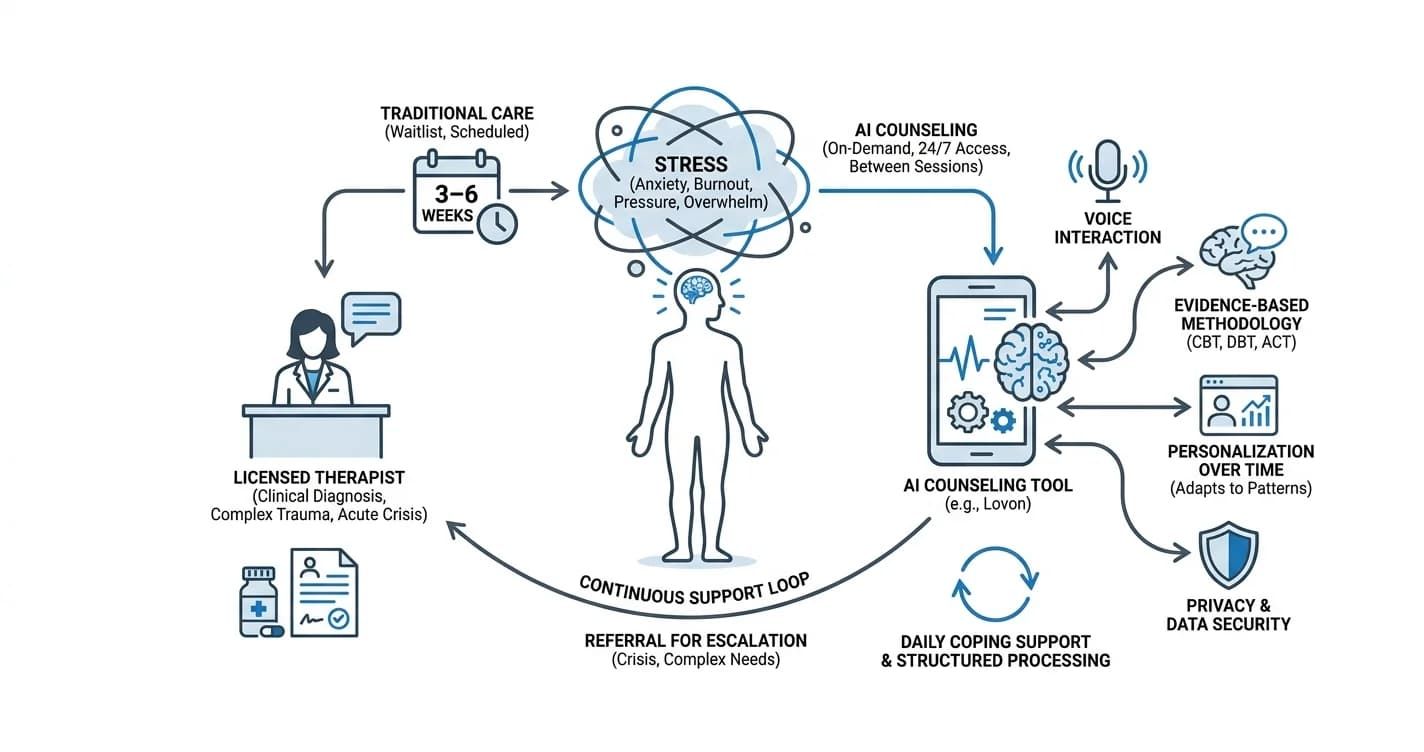
Look for transparent privacy practices and clear statements about what data is used for and how it is protected. Check for options that let you control personalization, export your data, or delete your history. If a tool does not provide understandable answers, treat that as a red flag.
Equally important is knowing where the support ends. The best tools avoid pretending to be a clinician and instead guide you toward appropriate resources when needed. Read the app’s safety messaging and crisis guidance so you know what to do during urgent situations. A practical approach is to test the tone: helpful tools should encourage coping skills, grounding, and realistic next steps rather than escalating fear or dependency.
Test the experience with structured coping exercises
Choose a short trial process that checks whether the tool guides you through usable steps. Start with a “mood check” and see if it helps you identify triggers, physical sensations, and the core emotion underneath. Then request a coping plan for a specific moment, such as feeling overwhelmed before a meeting or calming down after conflict. A strong self esteem app style experience often includes affirmations grounded in your actual situation, not generic slogans.
As you test, pay attention to how the app handles your inputs. It should ask clarifying questions, reflect your language accurately, and suggest actions you can do in under a few minutes. Try a thought reframing exercise by entering a negative statement you commonly believe, then ask for alternative interpretations that are both kinder and realistic. If the tool provides multiple options—breathing, journaling prompts, behavioral experiments, and perspective shifts—you are more likely to find what fits your routine.
Conclusion
When the experience is structured, supportive, and customizable, it becomes easier to practice emotional skills consistently and build momentum over time. For a user-friendly approach to reflection and coping, Lovon Inc focuses on accessible mental health guidance that helps people navigate everyday emotional challenges online. That combination of clarity, convenience, and personal growth can make digital support feel more helpful and less overwhelming. As you move forward, keep your expectations realistic: an AI assistant is a tool for guidance, not a replacement for professional care. Use the app to prepare for difficult moments, strengthen coping habits, and track patterns you want to change. If you ever feel unsafe or the issue becomes severe, seek support from qualified professionals in your region. With the right selection process, you can find a tool that supports your wellbeing in a way that feels steady, respectful, and practical.