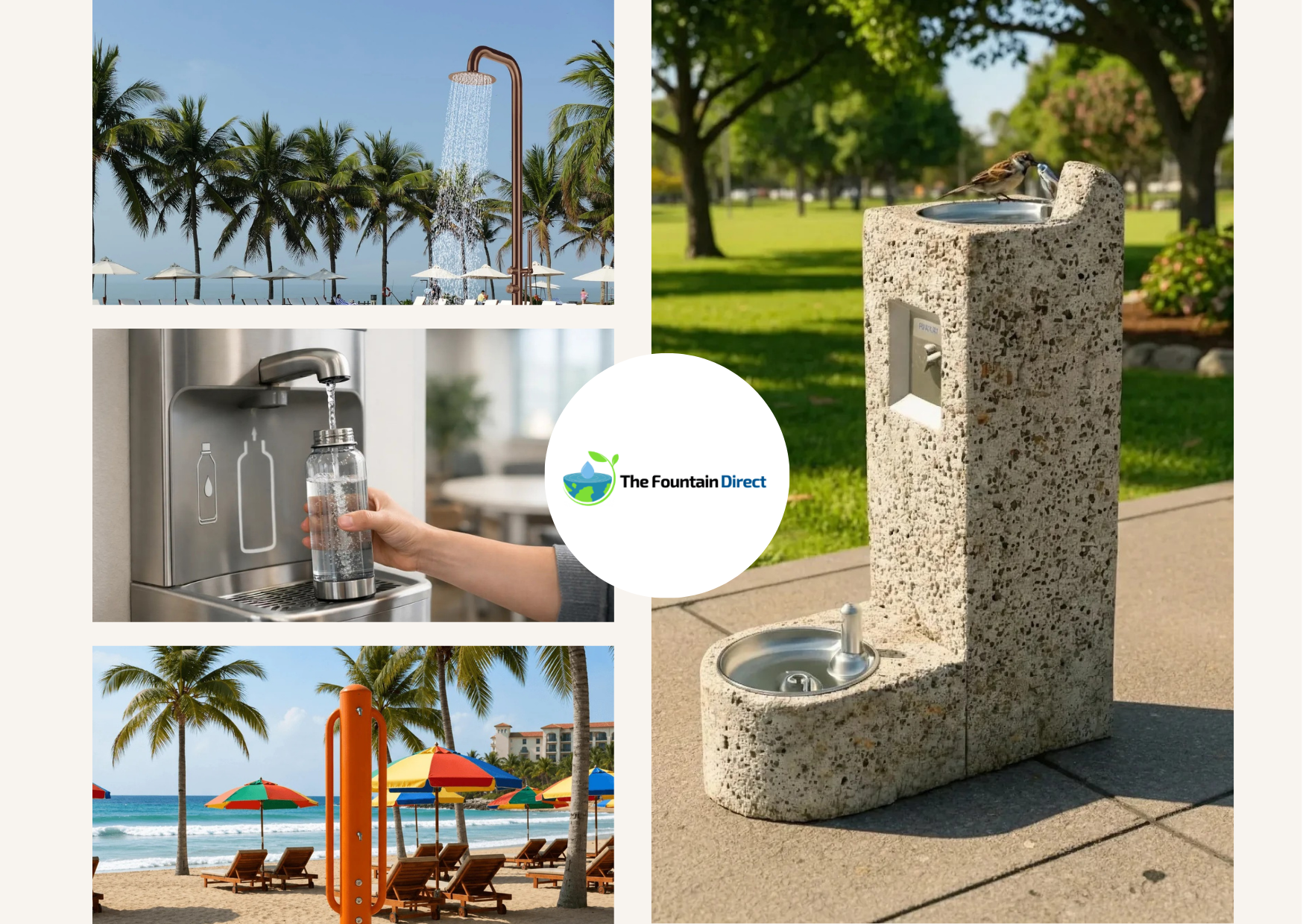
Why local businesses matter for hydration needs
When you’re outfitting a community space, choosing equipment from a provider that understands local routines can make a noticeable difference. A dependable setup depends on more than just output and temperature control; it also depends on guidance, delivery expectations, and practical support during installation commercial water cooler planning. For facilities that serve the public, hydration systems must handle peak demand without becoming a maintenance burden. Working with a brand that prioritizes durability and everyday usability can help you avoid downtime and keep service consistent.
Local relevance is also about matching the right solution to the environment where people actually drink. Schools have different traffic patterns than offices, and public parks face different weather and usage conditions than sheltered break rooms. That means your selection should consider where the unit will be placed, how often it will be used, and what kind of cleaning schedule your team can realistically maintain.
Cooling performance and placement for real-world use
A strong hydration plan starts with choosing cooling capacity that matches your foot traffic. If a space sees frequent bursts of demand, a commercial-grade unit with consistent temperature control helps reduce complaints and keeps water satisfying. It’s also important to foot washing station think about accessibility and placement, including clear pathways, safe reach height, and placement near existing electrical points. Well-planned location reduces congestion and makes it easier for staff and visitors to use the system correctly.
Consider how people will move through the area and how quickly they can approach and leave. In high-use settings, units placed too far from natural gathering points can lead to bottlenecks, while units placed in direct sunlight may require extra attention to performance stability. For shared facilities, it’s smart to plan for routine checks such as filter status awareness and wipe-down procedures for exterior surfaces. When a hydration system is installed with real movement patterns in mind, it delivers better usability and more consistent satisfaction.
Pairing hydration with foot washing access
Many community sites need more than drinking water—they need practical amenities that support hygiene and comfort. When paired with a drinking-focused setup, it creates a more complete visitor experience that supports cleanliness and reduces mess around rest areas. Thoughtful design helps people transition smoothly from active areas back to shared spaces.
To get the most value from both systems, align their placement and maintenance routines. Meanwhile, your hydration equipment should remain focused on clean, quick access and consistent cooling, so visitors don’t have to choose between comfort and convenience. This coordinated approach also helps staff keep facilities organized, since both features can be included in a predictable inspection schedule.
Conclusion
Choosing hydration solutions for a school, office, park, or public facility is easier when you prioritize practical performance and dependable service. The most successful setups consider foot traffic, placement, and maintenance realities, so the equipment remains useful day after day. With the right guidance and durable products, your facility can serve people efficiently without turning hydration into an ongoing problem. The Fountain Direct offers commercial-quality hydration solutions designed for busy environments, with free shipping and competitive pricing that help projects move forward. If you need equipment built for everyday use and straightforward purchasing, exploring thefountaindirect.com can help you select options that fit your space and usage patterns. By focusing on local needs and reliable cooling performance, you can create a hydration area that visitors trust and staff can manage confidently. That balance is what turns basic water access into a well-run, community-ready amenity.