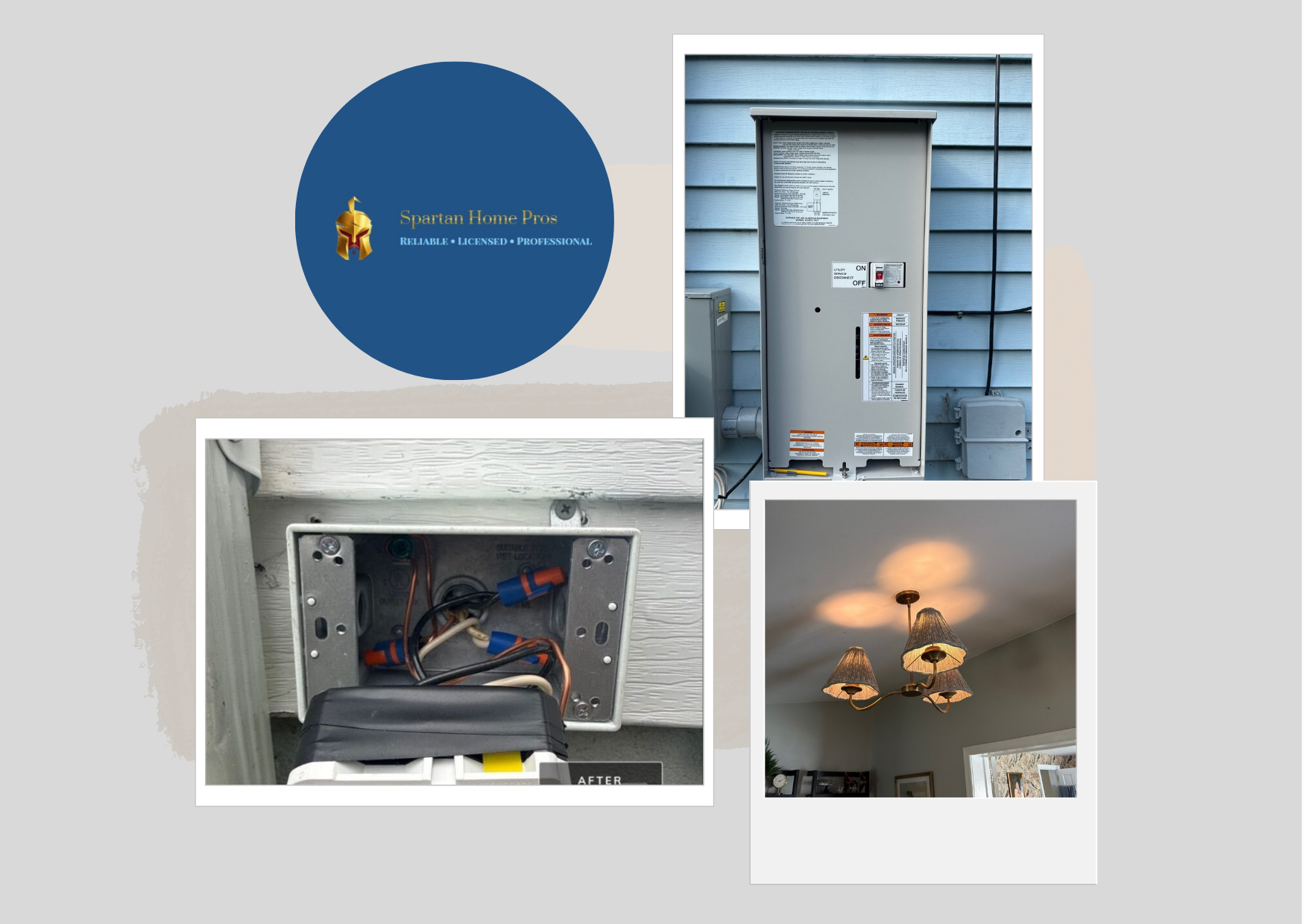
Know What to Upgrade Before You Call
Begin by checking the panel label, circuit count, and the overall condition of the breaker cover and wiring entrances. If you notice electrical panel upgrade corrosion, scorching, a repeated tripping pattern, or breakers that no longer reset normally, treat it as a warning sign. Document any issues you find with photos and notes so the electrician can verify the scope quickly.
Next, evaluate your electrical capacity goals by listing the major appliances and planned upgrades in your home. Add up loads such as electric water heaters, HVAC systems, EV charging, microwave and oven use, laundry equipment, and garage or workshop tools. Even if nothing has failed yet, modern living can push older panels beyond safe limits. A practical approach is to ask the contractor to review your service size, load calculation, and grounding/bonding before replacement decisions are finalized.
Plan the Work: Permits, Safety, and Scheduling
Your electrician will typically confirm local code expectations, utility interconnection rules, and whether a main disconnect is required. In many electrician nj homes, the process may include upgrading breakers, conductors, grounding electrode connections, and meter-related components. Knowing the full sequence helps you coordinate access, protect valuables, and plan for temporary power interruptions if needed.
Scheduling is also part of being practical: communicate with your household about what will be offline and when. If the panel replacement requires brief downtime, prioritize critical circuits and plan for food storage, medical devices, and any work that depends on consistent power. Protect the work area by clearing clearance around the panel location and ensuring a safe path for tools and materials.
Choose the Right Components and Avoid Common Mistakes
The quality of the upgrade depends on the components selected and how they are installed, not only on the panel brand. Look for a solution that matches your home’s electrical layout, including the number of breaker spaces and the compatibility of breaker types. A well-planned replacement can also include arc-fault or ground-fault protection where appropriate, along with properly sized breakers for each circuit. If you have sensitive electronics, discuss surge protection options so you can reduce the risk of damage during spikes.
A common mistake is carrying forward questionable wiring or undersized conductors without checking their condition. During the job, insist on a thorough inspection of splices, insulation integrity, and termination tightness. Ensure grounding and bonding are corrected to code so the system can respond safely during faults. Another practical step is to request an updated circuit directory and labeling plan, since clear labeling helps future troubleshooting and reduces the chance of accidental overloads.
Conclusion
When you approach the project with a checklist—diagnose the problem, confirm your electrical goals, plan permits and downtime, and verify component quality—you get a result that lasts. If you want licensed, dependable guidance for outdated panels, higher power demands, or appliance-driven upgrades, njspartan.com can help you map the right path forward. Their team focuses on practical solutions designed to keep your electrical system reliable as your home’s needs evolve. Before signing off, ask for documentation of the work completed, including inspection readiness and any recommendations for future circuit planning. With clear labeling, correct grounding, and appropriately selected breakers, you’ll be better prepared for everyday loads and upgrades down the line. A professional upgrade reduces nuisance tripping, supports safer fault response, and helps prevent overheating risks associated with aging equipment. For homeowners who want confidence in their electrical setup, working with trusted specialists is the most effective way to protect both property and people.