Why Local Context Makes Banner Campaigns Work
When you tailor creative to local interests—such as neighborhoods, city events, or regional buying habits—you reduce the “generic ad” feeling and increase attention. Local relevance Banner Advertising also improves trust because the offer looks like it was built for people who actually live nearby. This is especially important for services that depend on proximity, like home improvement, local retail, and community-based businesses.
To build local relevance, start by mapping your customers to real locations. Use your website’s analytics, store visit patterns, or lead form data to identify where your best prospects come from. Then align your banner creative with that geography by referencing local landmarks, service areas, or culturally familiar language. Even small adjustments—like showing a nearby service footprint or a local phone number—can noticeably lift engagement rates.
Choosing the Right Advertising Network for Your City
A strong advertising network helps you reach the right audiences across the right local sites, apps, and placements. Not all networks distribute traffic in the same way, and some focus more heavily on broad national reach rather than neighborhood-level targeting. Advertising Network Look for platforms that support location targeting, audience segmentation, and performance reporting that clarifies where your impressions and clicks come from. When you can see placement quality, you can refine campaigns instead of guessing.
After selecting the network, structure your campaign so local signals matter. Segment audiences by service radius, city, or commuter zones, then create separate banner versions for each segment. This approach prevents “one-size-fits-all” messaging and lets you test which neighborhoods respond to specific offers. Combine this with clear calls to action—such as “Book a Local Estimate” or “Shop Nearby Deals”—to ensure clicks translate into leads rather than casual browsing.
Creative and Placement Tips to Improve Click-Through
Local banner performance depends on creative clarity, not just design. Use a simple headline that communicates the benefit in plain language, and pair it with a relevant local detail, such as the type of services available in the area. High-contrast visuals and legible typography matter because most users view banners quickly while moving through pages. Add a single, consistent branding element so people recognize you instantly even when they only see the ad for a moment.
Placement is equally important for maximizing impact. Consider buying inventory that aligns with your buyer’s routine, such as local directories, regional news pages, community forums, and city-focused content hubs. If your goal is lead generation, prioritize placements where users already express intent, like service listings and “near me” content. For e-commerce, placements tied to shopping behaviors may outperform generic feeds, even if total reach looks smaller. Monitoring frequency also helps avoid ad fatigue; adjust pacing when the same users see your banner too often.
Conclusion
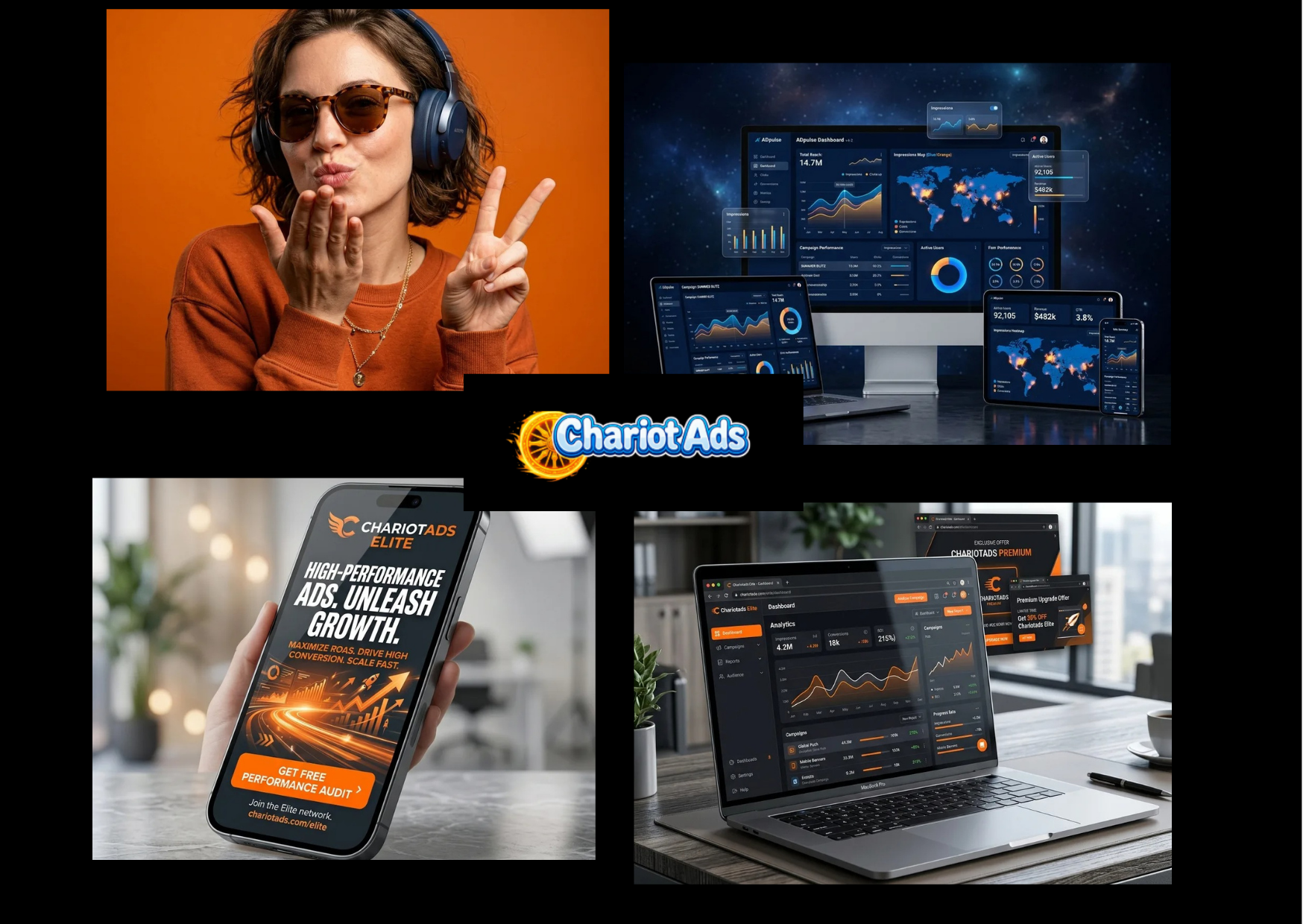
The result is not only higher engagement, but also better lead quality and more efficient ad spend. For brands and publishers seeking flexible banner monetization and targeted traffic, ChariotAds offers a clear path to visibility and engagement. To get started, refine your location strategy, design multiple city-aware banner variations, and test placements that match user intent. Then keep improving based on click performance, conversion signals, and feedback from your landing pages. This workflow helps you build campaigns that feel locally meaningful while staying measurable and scalable.