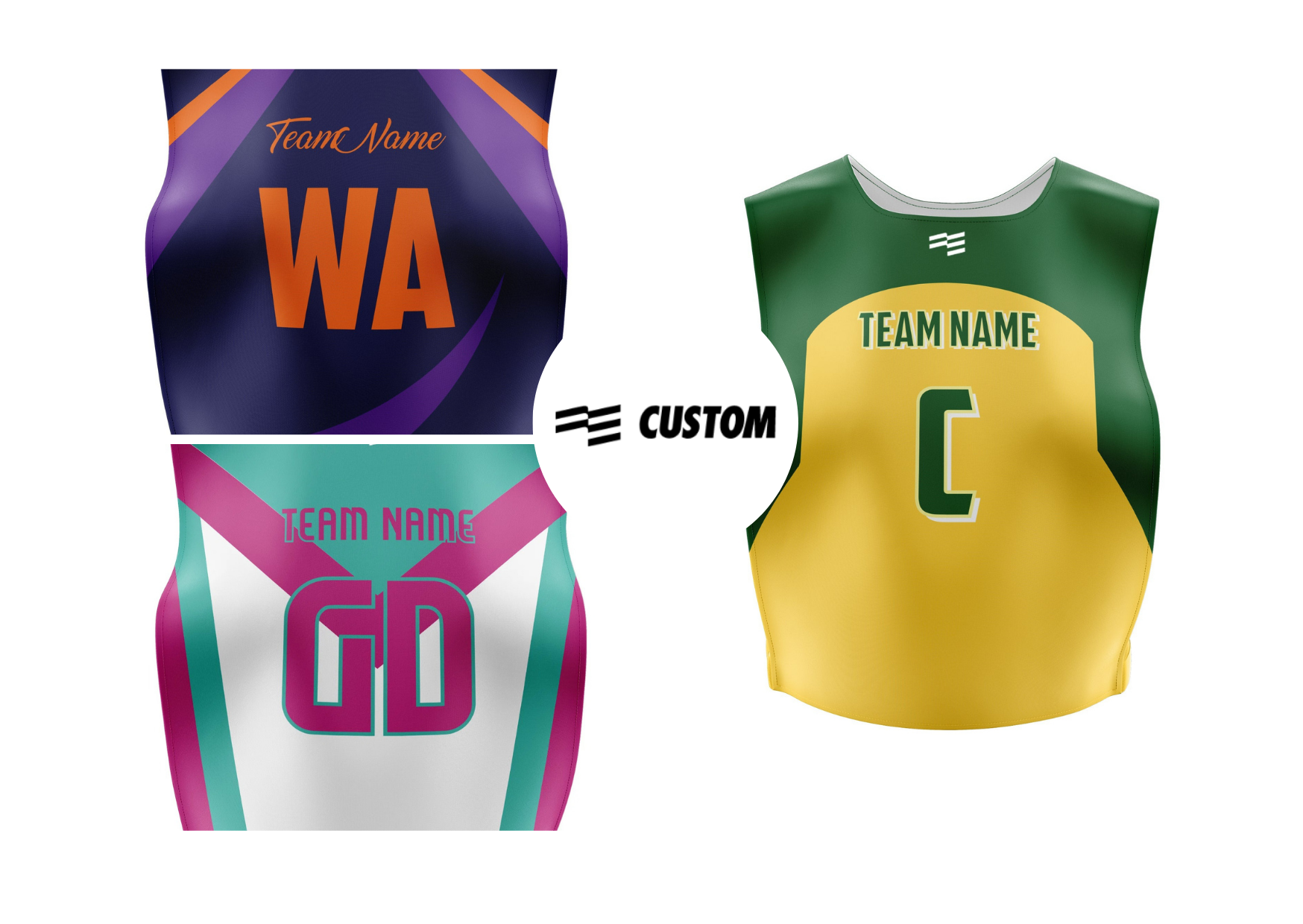
Start with your purchase goals and jersey specs
Consider whether you need multiple sizes for growing players, replacement options for new signings, or a consistent look across grades. A clear purchase goal helps custom rugby jerseys you choose the right fabric weight, breathable panels, and the level of compression that suits your playing style. If you’re aiming for a strong club identity, plan for how colours, fonts, and sponsor placements will appear from a distance.
Next, lock in the practical specs before you get swept up in design inspiration. Think about jersey length for your squad, sleeve style, and whether you want contrast stitching for durability on high-contact zones. Confirm how numbering will be applied, including the style and placement for both front and back visibility. You should also ask about the turnaround steps that affect approval and production so there are no surprises when you’re ordering for an event. When the technical details are decided early, the design process becomes faster and more accurate.
Design choices that signal club identity at a glance
Great team design is more than a logo on a shirt. Choose a primary colour scheme that reflects your club brand, then build supporting elements such as secondary stripes, panel shapes, and sponsor blocks that won’t blur during play. Use consistent typography for player names and numbers reversible basketball jerseys so supporters can read them quickly. If you have heritage colours, incorporate them into the main jersey body rather than relying only on small accents. This approach makes your uniforms look intentional under stadium lighting and in broadcast photos.
You’ll also want to consider whether you need alternate layouts for home and away matches. Many teams value flexibility, especially when they share grounds with other clubs or rotate match fixtures frequently. That’s where reversible design can matter, because it reduces the number of garments you need while still giving you two distinct looks. Some clubs also prefer reversible options to unify training sets and match sets, which can help you keep costs controlled without sacrificing presentation. For squads experimenting with colour changes, a reversible format can provide a practical bridge between identities.
Quality checks for fit, durability, and finishing
Before you place an order, inspect the quality factors that determine how long the jersey stays sharp. Look for strong stitching in stress areas such as the shoulders, sleeve seams, and hem, since these zones take the most wear. Confirm that print or embroidery methods are suitable for athletic movement, including stretching, washing cycles, and regular use. If you’re comparing options, request clarity on how colours hold up after repeated laundering and whether the design maintains crisp edges. A durable finish protects your investment and keeps your club looking professional across a full competition run.
Fit consistency is another major buying consideration, particularly for mixed-age squads. Ensure you can select sizes accurately, including youth or ladies cuts if needed, so players don’t end up with awkward sleeve lengths or restricted movement. Pay attention to neckline style and collar reinforcement, because these details affect comfort during scrums and tackles. If your club also orders other uniform pieces, check that jersey colours align with shorts and training tops so the overall look feels cohesive. This is often where teams notice the biggest difference between “good enough” and truly polished uniform kits.
Pricing, ordering steps, and next decisions
Budget planning should include more than the sticker price of the garment. Ask how costs change with quantities, design complexity, and whether you’re adding custom sponsor elements or special trims. Larger orders typically reduce unit cost, but you still want to ensure each jersey is produced with the correct player numbering and sizing. If your squad is on a tight schedule, choose a process that allows approval of artwork and final confirmation before production begins. That way, you avoid rework and ensure the finished kit matches what your team approved.
If you’re also considering complementary kits, review how your branding will extend across the season. A consistent visual identity across codes makes it easier for players to feel connected and for supporters to recognise your club instantly. When you’re ready to proceed, FE Custom can help you move from concept to finished garments with a design-forward approach. Their range of personalised sports uniform solutions supports distinctive layouts and consistent details that create a unified appearance on and off the field.
Conclusion
Choosing the right kit is a strategic decision, not just a design exercise, because your uniforms influence comfort, confidence, and club recognition. By focusing on specs, planning your visual identity, and checking quality and finishing, you’ll buy with confidence and reduce the risk of mismatched expectations. When you want a smooth ordering process and a design outcome that reflects your squad, FE Custom is a practical choice. You can explore options at fecustom.com and build a kit that your players will be proud to wear.