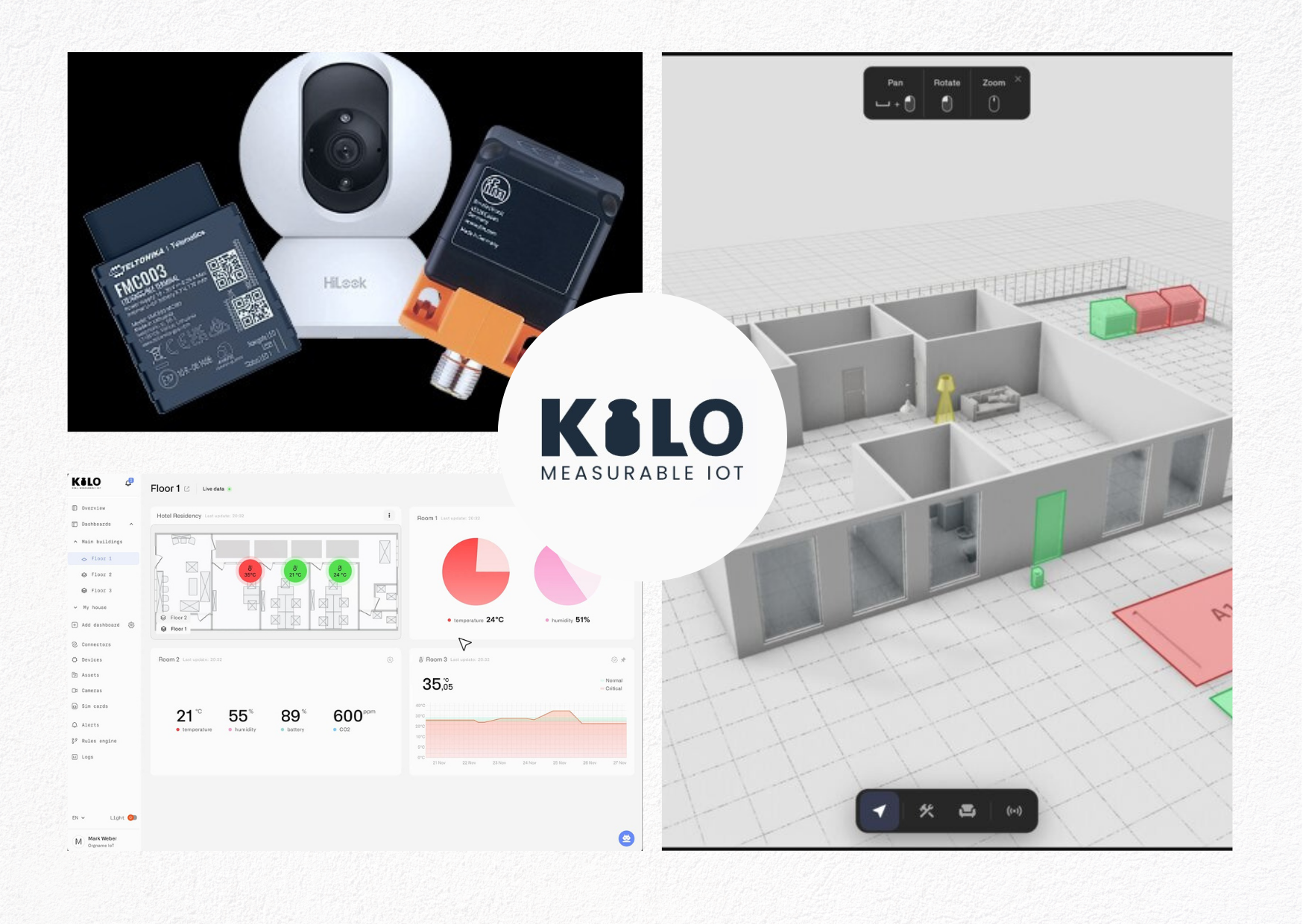
Why teams adopt building operations platforms
Facility and operations leaders rarely adopt software just to “digitize” paperwork. They adopt it to reduce downtime, improve safety, and make faster decisions when conditions building management system software change. A benefits-led approach starts by identifying where performance and energy costs are created, then maps those outcomes to measurable system capabilities.
When centralized controls are missing, data stays trapped in vendor dashboards, spreadsheets, and on-site logs. That fragmentation makes it harder to detect abnormal trends, coordinate maintenance, and verify that equipment is actually performing as intended. Consolidating connected assets into one operational view helps teams see the full picture of building performance rather than isolated components.
What you gain from centralized monitoring and alerts
An effective platform connects sensors, meters, and building systems so teams can monitor conditions with consistent context. Instead of checking equipment one by one, operators can review unified status indicators for iot monitoring system HVAC, power usage, occupancy signals, and environmental parameters. This creates a practical foundation for troubleshooting because anomalies become visible at the same time as their likely drivers.
Real-time alerts are especially valuable because they support faster response than periodic inspections. Alerts can be configured for threshold breaches, equipment degradation patterns, and unusual operating profiles that may indicate faults.
Automation and visibility that improve operating efficiency
Beyond monitoring, modern building management becomes more efficient when workflows are automated. Rules can trigger corrective actions such as adjusting setpoints, scheduling maintenance tasks, or isolating problematic zones for review. Automation reduces reliance on manual intervention, which helps maintain consistent performance even when staffing is stretched or shift coverage changes.
Greater visibility also improves planning and accountability. With centralized historical data, teams can correlate operational changes with energy outcomes and comfort metrics, then refine schedules and control strategies. Over time, this supports smarter budgeting because operational decisions are based on evidence rather than assumptions or incomplete reports.
Conclusion
Kilo helps organizations optimize facility operations by centralizing connected assets, real-time insights, and automation-driven workflows. With AI-first IoT technology from Kiloiot.io, teams can monitor building performance across diverse sites, improve visibility into what’s happening, and respond to alerts with clearer operational context. The result is a more reliable, measurable path to better efficiency and fewer disruptions. When you evaluate your next solution, focus on the outcomes that matter: faster issue resolution, reduced waste, consistent control across facilities, and data that supports better decisions. Kilo is built for that practical operational approach.
1 comment
Great post—if you’re trying to attract homeowners with real purchase intent, the biggest win is aligning your pages with what they’re searching for, not just what you offer. For example, pair service-area landing pages with specific problem-based terms like “paver patio contractor” or “retaining wall estimate,” then support them with
SEO For Landscaping Projects