Understanding the Importance of Site Plans
When undertaking any residential construction or renovation project, securing the necessary permits is a critical step. These permits often require detailed documentation that demonstrates the project’s compliance with local building codes and zoning regulations. One essential document in this process Residential Site Plans for Permits in United States is the site plan, which illustrates the layout and specific details of the property and proposed construction. Accurate site plans ensure a smoother approval process and help avoid delays or costly changes during construction.
What Residential Site Plans Typically Include
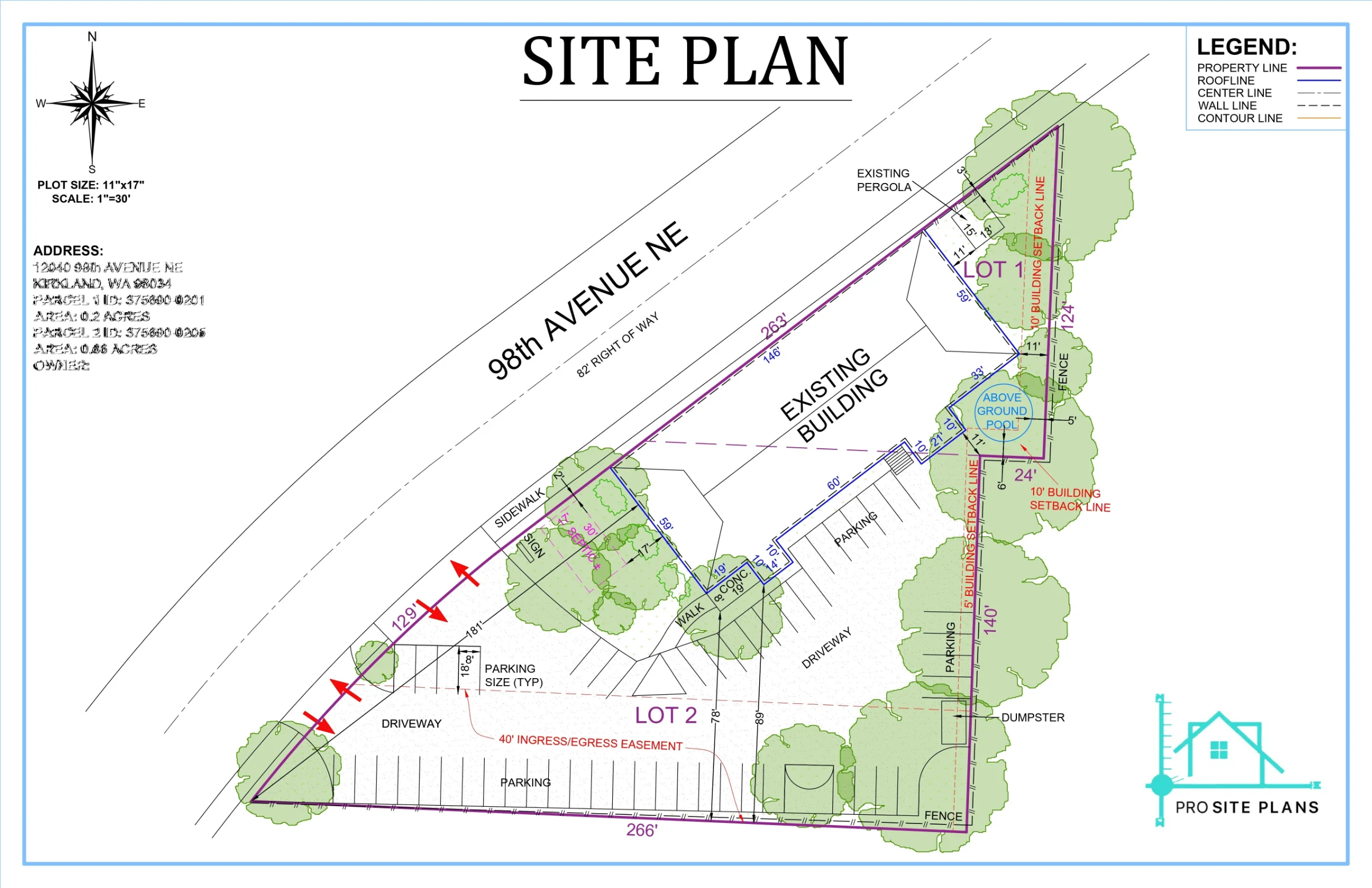
Residential site plans provide a comprehensive overview of the property and the planned development. They usually include the property boundaries, existing structures, proposed buildings, driveways, walkways, landscaping elements, utility lines, and Ready to Use Site Plans in 24 Hours any easements or zoning setbacks. These details help local authorities assess the project’s impact on the neighborhood and ensure compliance with safety, environmental, and design standards.
The Role of Professional Drafting in Site Plans
Creating precise and compliant site plans requires expertise in architectural drafting and knowledge of local regulations. Professional drafting services combine technical skills with an understanding of zoning laws to produce accurate drawings that meet permit requirements. This professional approach minimizes the risk of permit denial or the need for costly revisions, which can save time and resources throughout the project.
Common Challenges in Obtaining Permits
One of the frequent obstacles in obtaining permits is submitting incomplete or inaccurate site plans. Missing information, unclear drawings, or failure to adhere to local codes can result in permit rejections or delays. Additionally, some localities have very specific requirements for site plans that vary widely, making it crucial to tailor each plan to the jurisdiction where the property is located.
Advantages of Ready-Made Solutions
To address these challenges, many homeowners and builders turn to ready-made site plans that are designed to comply with common regulations. These pre-drafted plans can be customized and submitted for permits with confidence. Access to Ready to Use Site Plans in 24 Hours offers a significant advantage, enabling project initiators to quickly move forward without waiting for traditional drafting timelines.
How to Select the Right Site Plan Provider
Choosing a reliable source for site plans is essential for a smooth permitting process. Key factors to consider include the provider’s understanding of local codes, the ability to customize plans according to specific property needs, and turnaround time. Customer support and clear communication are also important to ensure that any questions or adjustments can be promptly addressed.
Streamlining the Approval Process
Utilizing professionally prepared and ready-to-submit site plans can greatly streamline the permitting process. These plans reduce the likelihood of back-and-forth communication with permit offices, enabling faster approvals. By ensuring that site plans meet all local requirements from the start, builders and homeowners can focus on project execution rather than administrative hurdles.
Conclusion
Securing permits for residential projects can be complex, but having detailed and compliant site plans is a key component to success. Leveraging resources such as Ready to Use Site Plans in 24 Hours can save time and reduce stress when navigating the permitting landscape. For those seeking reliable and efficient site plan solutions tailored to the United States, prositeplans.com offers expert services that support smooth and timely project approvals.