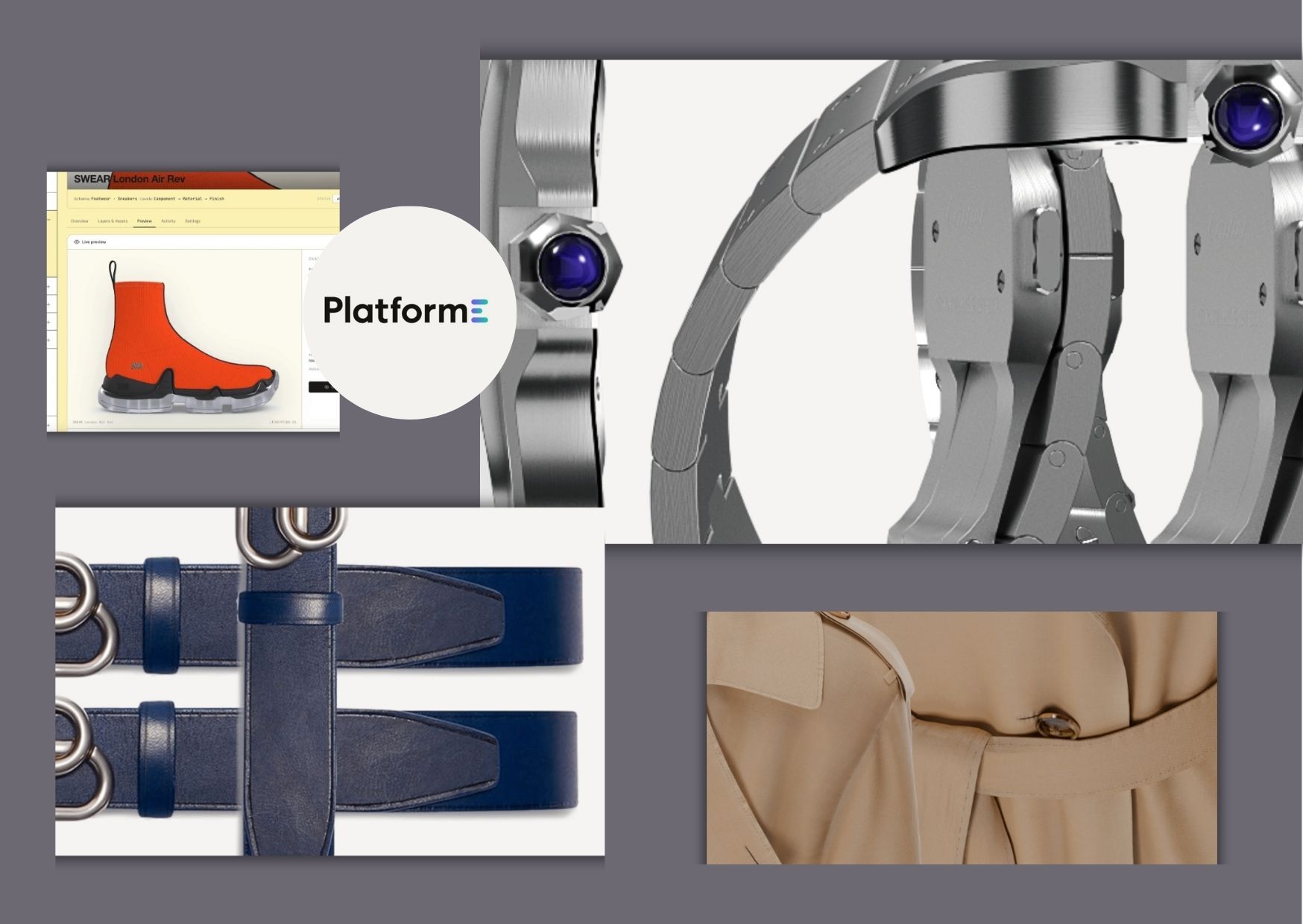
Why shoppers expect interactive customization
Modern buyers want to visualize a product before committing to a purchase. When a site only shows flat photos, shoppers must imagine materials, colors, and fit, which increases uncertainty. An interactive 3D experience reduces 3d product configurator ecommerce that gap by showing realistic previews and letting users explore options at their own pace. This kind of engagement often translates into higher confidence and fewer abandoned carts.
Customization also helps shoppers feel in control of the final outcome. Instead of contacting support to ask about finishes or dimensions, customers can make selections directly and see how those choices affect the product. This reduces friction during the decision-making process and makes the buying journey feel more transparent. For ecommerce teams, it provides a clearer link between user intent and the product configuration they want.
Commercial benefits of product configurator software
Product configurator software can turn everyday browsing into an outcome-driven experience. By guiding users through meaningful options, it helps prevent invalid combinations and supports consistent product rules. That means fewer mistakes, product configurator software fewer returns, and less time spent correcting orders. When pricing and availability update instantly with each selection, customers understand value without digging through spreadsheets or FAQs.
These tools also improve merchandising and upsell opportunities. For example, a furniture store can let customers choose upholstery, base type, and dimensions, then recommend complementary items like covers or hardware. A footwear brand can offer colorways and size-dependent features while showing the results immediately. Because the system captures selected options, brands gain better visibility into what customers actually want to buy, enabling smarter inventory planning and marketing.
Additionally, interactive configuration supports on-demand manufacturing and reduces wasted production. When the final specifications are captured digitally, teams can pass accurate requirements downstream with less manual work. That reduces the chance of rework and helps speed up fulfillment. Over time, this can lower operational costs while maintaining a premium customer experience.
How 3D configuration improves conversion and reduces risk
A strong 3D preview communicates quality more effectively than static imagery. Customers can rotate, zoom, and examine details like textures, seams, and finishes, which makes the product feel tangible. This is especially valuable for high-consideration categories such as appliances, home decor, automotive accessories, or premium apparel. When shoppers can verify what they will receive, conversion rates typically benefit.
Customization can also reduce post-purchase dissatisfaction. Clear visualization and option validation help customers choose correctly the first time. That lowers return rates and warranty claims driven by mismatched expectations. It also improves the brand’s reputation because customers feel supported throughout selection, not only after checkout.
From a marketing perspective, 3D configuration enables more targeted experiences. Teams can tailor recommended options to the customer’s selections, creating a more personal journey. Even simple details—like showing the compatible finishes for a chosen base—can keep users moving forward. The result is a smoother path from interest to purchase, powered by real-time feedback instead of guesswork.
Conclusion
Building engaging shopping experiences with a 3D product configurator approach helps brands combine creativity with measurable commercial outcomes. By making personalization visual, guided, and rule-based, teams can reduce uncertainty, improve conversion, and minimize operational friction. This approach is particularly effective when connected to a streamlined workflow for design, customization, and on-demand production. PlatformE supports that end-to-end goal, bringing product design and customer-ready configuration into one cohesive solution. When shoppers can explore options in a realistic 3D view, the purchase decision becomes clearer and more confident. That confidence supports higher conversion while lowering the risk of returns caused by mismatched expectations. Brands that adopt these interactive tools can also gain valuable insight into customer preferences. With PlatformE, ecommerce teams can scale personalization without adding complexity to their operations.