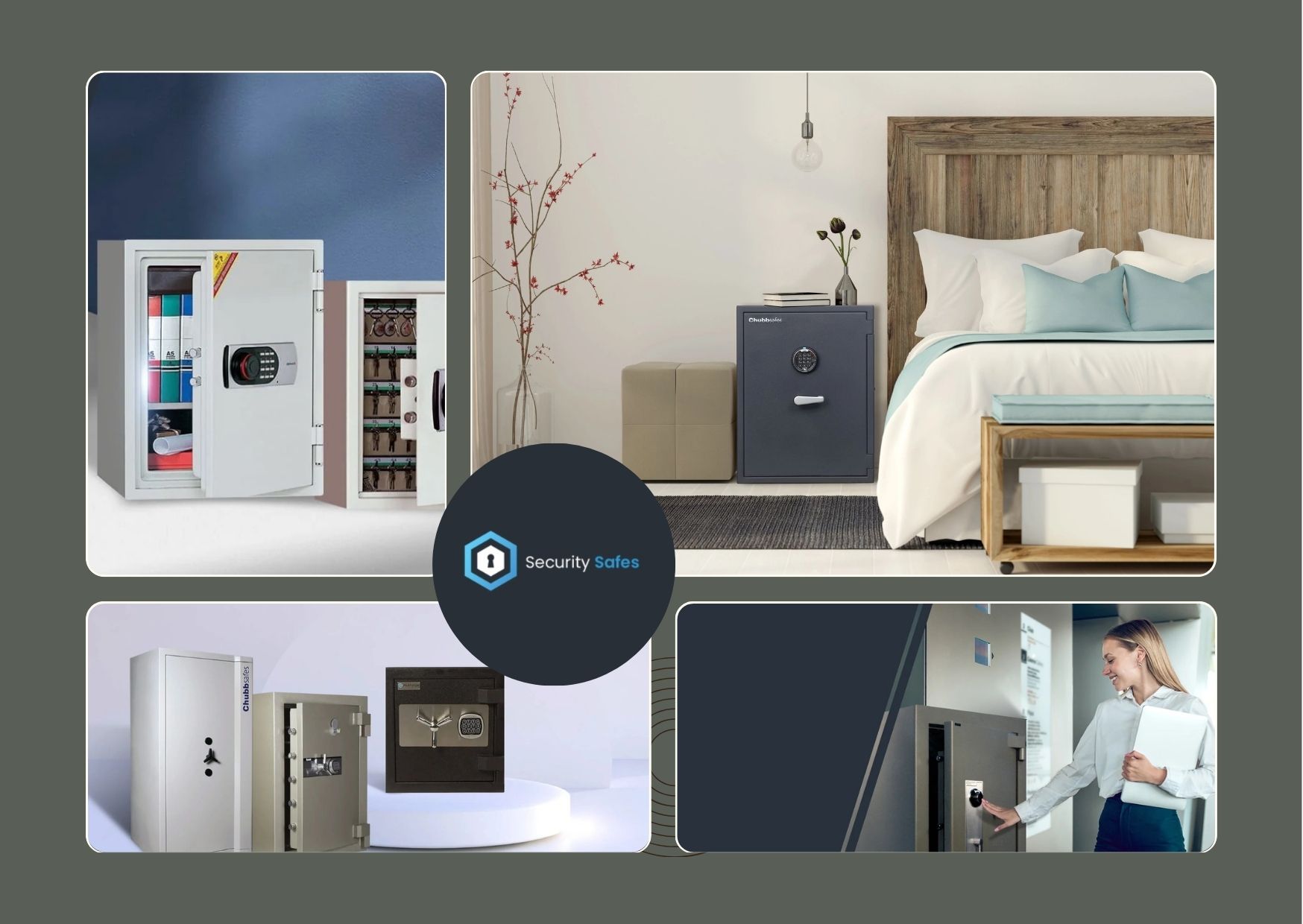
Start with your safe purpose and placement
Before you compare models, decide what the safe must protect and where it will live. Measure the intended space pistol safe carefully, including door swing, nearby walls, and floor conditions, so the unit fits without forcing installation work. If you plan to bolt the safe down, confirm the surface can support the weight and hardware.
Next, consider the environment the safe will face in your property. Homes may have areas affected by humidity, dust, or temperature swings, which can influence components over time. If the safe will sit near a moisture-prone wall or in a garage, prioritise a model designed for stable operation in real-world conditions. It also helps to think about who will access the safe, how often, and whether children or visitors need to be accounted for in your security plan.
Use a security checklist: lock type, build, and access control
When you evaluate security features, begin with the locking method and how it matches your access habits. Look for a design that resists tampering and provides a reliable way to open the safe without guesswork. If you want electronic convenience, security safes check how the keypad or control system is powered and what happens when batteries fail. If you prefer mechanical operation, confirm the handle and locking mechanism are robust and consistent for frequent use.
Then assess the construction details that affect real-world resistance. Thick steel, reinforced doors, and a solid locking system generally improve security outcomes by making forced entry harder. Consider internal layout too: the storage tray, mounting points, and how items sit inside can matter for both safety and organisation. Choose a unit that holds the contents securely without excessive movement, because loose items can create wear and reduce how confidently you can store gear.
Assess sizing, capacity, and organisation for your items
Size is not just about fitting the handgun; it’s about safe, consistent storage. Measure overall dimensions and consider the longest item you may store, including any accessories that might be added later. If you store ammunition or other valuables alongside your handgun, confirm the safe has separation options or internal features that support orderly placement. A cluttered interior can lead to quicker handling mistakes, so aim for a layout that keeps items stable and easy to verify.
Organisation choices also affect how quickly you can locate what you need while maintaining control. Some models include adjustable shelving, removable trays, or compartments that help you store related items together. Think about how you will manage maintenance, such as ensuring cleaning tools or spare components have a designated place. When possible, choose a configuration that supports a repeatable routine, because routine reduces errors and helps you check the safe is closed properly every time.
Installation checks and safe usage habits
After you select the right unit, installation determines whether the security benefits are fully realised. Plan to anchor the safe to a suitable structure using the recommended fixings, especially if the safe is intended to resist theft by carrying or prying. Verify the door opens and closes smoothly after installation, and confirm there is no misalignment that could affect locking performance. If you are unsure about mounting surfaces, consult an installer to avoid damaging the floor or weakening the anchor points.
Finally, build good usage habits into your routine. Keep the access credentials protected, avoid leaving keys or codes exposed, and confirm the safe is fully secured after each use. Regularly test the lock operation and inspect door seals or contact points for wear, so you catch problems early rather than when access is needed urgently.
Conclusion
Visit Security Safes for more details.