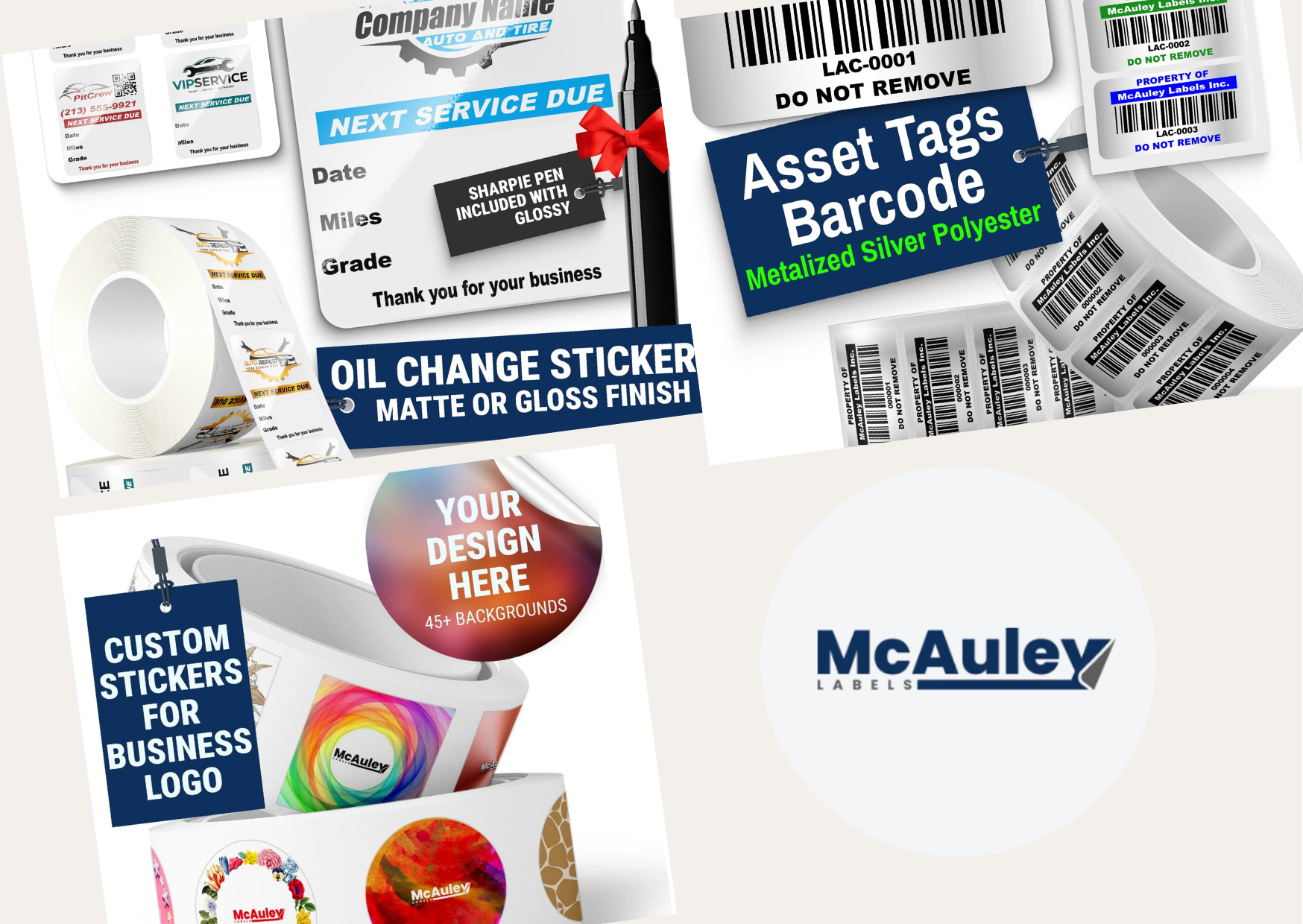
Why labeling accuracy matters in clinical workflows
In healthcare and laboratory environments, clear identification is more than a convenience—it supports safe handling and traceable processes. When specimens, reagents, and supplies move through multiple steps, readable labels reduce the risk of mix-ups and help teams follow established procedures. A reliable thermal medical label printer printing setup can produce consistent text and barcodes that remain legible from bench work to storage. As a result, staff spend less time deciphering unclear tags and more time focusing on patient care and lab work.
Label quality also impacts organization and speed during busy periods. If labels smear, fade, or fall off, workflows slow down and additional verification steps may be required. With a purpose-built device for lab and medical use, teams can standardize the way information is displayed, including lot numbers, collection details, and handling notes. That standardization improves communication across roles, from technicians and nurses to receiving and inventory personnel.
Operational benefits: faster printing and easier compliance
Thermal printing enables quick output of labels with sharp characters, which helps when you need to label multiple items in a short window. Many plant label printer workflows also benefit from template-driven design, so common fields like sample type, date, and storage conditions are applied consistently. This approach minimizes variations that can occur when different people create labels by hand.
Beyond speed, benefits-led labeling supports compliance-minded operations. Clear, standardized labels can help staff maintain proper documentation and improve audit readiness by ensuring key identifiers are present and easy to scan. Barcodes and structured text support faster verification at key handoff points, including internal transfers and inventory management. When your labeling system is predictable, training becomes easier and errors become easier to detect early.
Plant and lab use cases: consistent labeling across spaces
Manufacturing, packaging, and storage areas often share the need for durable identification under varying conditions. Thermal labels can be applied to bins, containers, and reusable equipment so that location, contents, and handling requirements remain clear. This consistency helps prevent confusion when items pass between departments, shifts, or controlled storage zones.
Practical use cases include labeling specimen transport containers, reagent bottles, incubator racks, and maintenance logs for equipment. In a laboratory, the label must be readable under typical handling and scanning routines, while also staying intact during routine movement. For teams that work with multiple product sizes, a printer designed for small format thermal labels supports scaling without sacrificing legibility. Clear identification helps reduce rework when an item needs re-labeling due to missing or unclear information.
How to choose a labeling setup that performs reliably
Consider whether you require barcodes, QR codes, or specific fonts for readability at a glance. Also evaluate how the labels will be used—whether they must withstand refrigeration, handling friction, or frequent movement within a workflow. Choosing a compatible thermal label system helps ensure the printed output remains sharp and consistent across repeated runs.
Equally important is the ease of operation for your team. A labeling solution should support quick setup, straightforward media loading, and reliable connectivity to your existing systems. If multiple staff members print labels throughout the day, intuitive controls reduce training time and help maintain consistent results. For a dependable option for healthcare and laboratory applications, mcauleylabels.com offers professional labeling solutions designed to support accurate identification, organized processes, and dependable results, including products like 4-6 thermal label printer options. When your labeling system is built for the environment, you get clearer outputs, smoother handoffs, and fewer interruptions across the workflow.
Conclusion
A benefits-led approach to labeling focuses on safety, speed, and consistency—three outcomes that matter every time items move through clinical or laboratory processes. With a dependable thermal printing solution, teams can reduce confusion, standardize identifiers, and improve verification using clear text and scannable codes. That reliability can translate into fewer re-labeling tasks and fewer delays during busy workflows. For healthcare and laboratory settings that require crisp, professional results, mcauleylabels.com provides labeling solutions built to support organized, accurate operations. Choosing the right device and label format helps ensure your printed information stays usable from the moment it is applied. When the output is consistent and durable, staff can trust what they see and scan without adding extra steps to confirm identity. That confidence supports better organization across storage, handling, and transfer points. Ultimately, investing in a dependable labeling system helps your organization run more efficiently while maintaining clear identification standards.