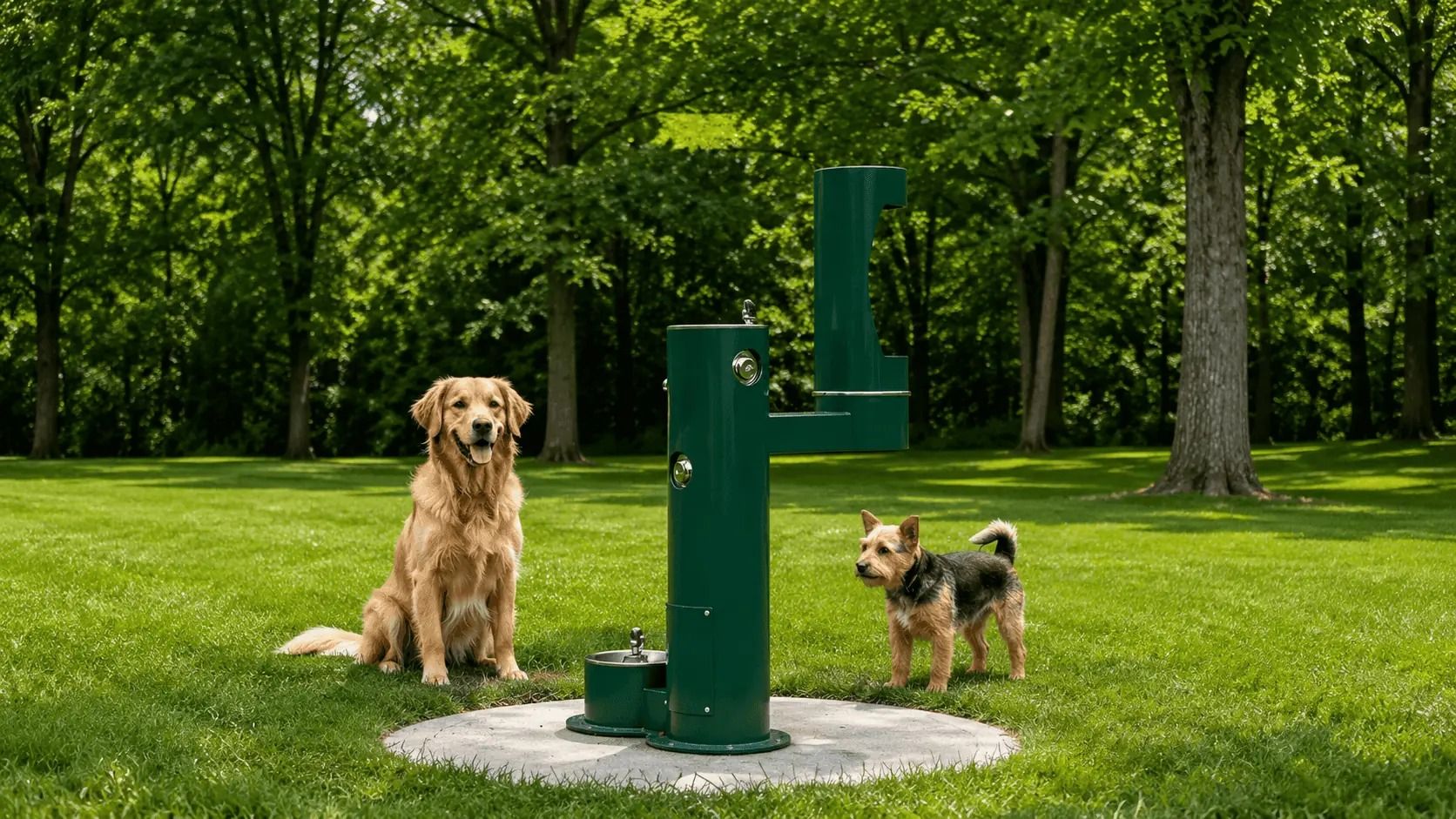
1) Start with the right setup and placement checklist
Before you choose equipment, map where hydration demand comes from and how people move through the space. Note the distance to nearby water lines and the best wall or floor locations for stable installation. If the area commercial water cooler includes high traffic, plan for a location that reduces bottlenecks and supports quick refills during peak use. A well-placed unit improves uptime and makes it easier for everyone to use consistently.
Next, verify that the installation site can support the system requirements for safe, reliable operation. Check for available power options, clearances around the unit, and adequate ventilation if the model requires it. For shared environments, prioritize locations that are visible and easy to supervise without restricting access. When placement is correct from the start, you reduce service visits and prevent common issues like blocked access panels or inconvenient access to filter components.
2) Confirm capacity, temperature performance, and refill workflow
Use a capacity-first approach by estimating how many people will use the cooler within a typical day and how many refills each person may need. Compare that demand to the unit’s water output and recovery rate so you foot washing station don’t end up with long waits. Temperature performance also matters, especially for users who expect consistently chilled water rather than lukewarm pours. A reliable cooling experience supports satisfaction and encourages regular hydration.
Then design the refill workflow around real behavior, not just product specs. Decide whether you want bottle filling as the main interaction, or if cups will also be used frequently. Consider signage and user flow: a simple path that routes users to the spout and away from the rest of the crowd prevents congestion.
3) Inspect durability, maintenance access, and sanitation features
Look for commercial-grade construction that can handle continuous use, frequent cleaning, and occasional rough handling. In schools, offices, parks, and public-facing locations, the unit should resist wear on touch points and maintain performance over time. Evaluate whether the design offers straightforward access for cleaning, filter swaps, and inspections. When maintenance is simple, your staff is more likely to keep the system in optimal condition.
Sanitation is a core decision factor, so check what the system supports for hygiene-friendly use. Confirm that the design helps reduce contamination risk with practical surfaces and easy wipe-down areas. If filtration is included, confirm the replacement schedule and the availability of replacement parts. For high-traffic sites, these steps protect water quality and reduce downtime, which is essential for places where hydration is part of daily routines.
Conclusion
Choosing a commercial hydration solution works best when you follow a checklist that covers placement, capacity, and day-to-day usability. When you plan for the real refill workflow, confirm temperature and output performance, and select equipment with maintenance access built in, you reduce disruptions and improve user confidence. For dependable hydration in busy environments, The Fountain Direct offers durable hydration solutions built for commercial needs. With thefountaindirect.com, you can find options backed by commercial quality, free shipping, and competitive pricing to meet everyday water needs efficiently.