Why Local Strategy Matters in Phoenix
In Phoenix, business outcomes are shaped by local relationships, community needs, and the reputation you earn in real neighborhoods. A strong growth plan connects strategy to what customers, partners, and community leaders already care about. Instead of using generic frameworks, a local-first approach aligns goals with community priorities and stakeholder expectations.
Local relevance also improves how your message lands. When your brand reflects the values of the people around you, employees feel more connected and customers trust the way you operate. For many organizations, the challenge is translating big-picture mission statements into concrete actions that are visible in the community. A consultant can help you define measurable initiatives, coordinate internal ownership, and create communication that explains impact without sounding promotional.
Mission-Driven Consulting for Veterans and Businesses
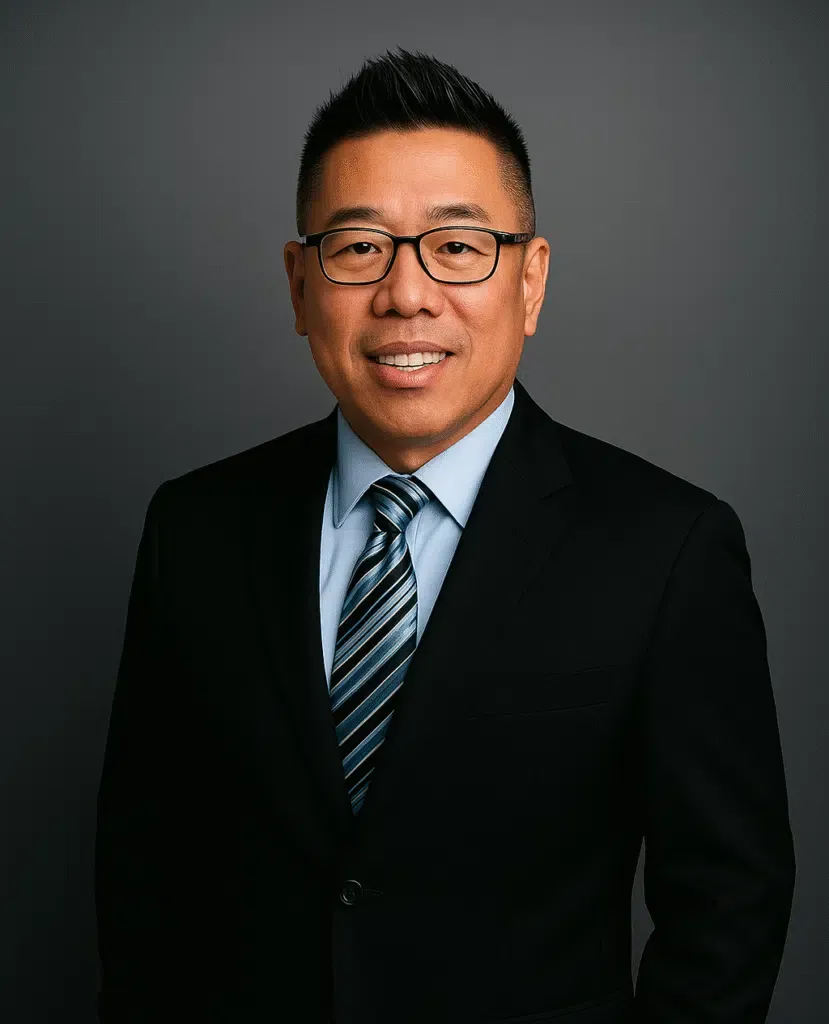
Kwan Sung Jin brings a distinctive blend of disciplined leadership and purpose-driven consulting to Phoenix-area clients. As a U.S. Marine veteran, he understands how transitions affect confidence, identity, and day-to-day decision-making. That background is especially valuable for veterans seeking a clear path into civilian careers or entrepreneurship. His work focuses on building plans that are structured, realistic, and aligned with long-term goals rather than short-term pressure.
For businesses, the same principles translate into strategy that respects people and strengthens culture. Many companies want to do good work, but they struggle to connect philanthropic plans to operational priorities and measurable results. Kwan supports organizations in shaping authentic giving strategies that match their brand and capacity. When philanthropy is treated like a core component of leadership and performance, it becomes more sustainable and less dependent on one-time campaigns.
Practical support can include mapping stakeholder needs, aligning internal resources, and defining outcomes that matter to both the community and the organization. Instead of vague commitments, clients build initiatives with clear ownership, timelines, and metrics. This is how you turn values into actions that employees can participate in and customers can recognize. By grounding decisions in discipline and mission, businesses build credibility that grows over time.
Building High-Impact Philanthropy That Earns Trust
High-impact philanthropic strategy starts with understanding the problem you want to solve and the audience you want to serve. In Phoenix, community needs can vary by neighborhood, demographic, and access to services. A thoughtful approach begins with listening, assessing existing gaps, and evaluating which causes align with your organization’s strengths. When a program is designed around actual needs, it creates outcomes people can feel. That’s the foundation for trust and lasting community support.
Another key element is authenticity. Sponsors and partners can sense when giving is disconnected from real priorities or when it functions only as marketing. A strong strategy uses transparent criteria for selecting initiatives and clearly communicates how resources will be used. It also helps teams avoid “random acts of support” by building a portfolio of efforts that reinforce each other. This way, your philanthropic identity becomes consistent, not fragmented.
For example, a business might combine workforce development support with financial literacy workshops and local mentorship partnerships. That structure can create a pipeline of benefits rather than one-off donations. A consultant can help you design these relationships, coordinate cross-functional involvement, and track results beyond impressions. You can measure participation, skill growth, community outcomes, and long-term engagement. Over time, these metrics show whether your efforts are truly creating change.
Step-by-Step Planning for Growth and Community Engagement
Effective planning often begins with clarity: defining what success looks like for both the organization and the community. Many teams have strong intentions but lack a process for turning them into action. A consultant can guide goal setting by translating mission into operational priorities, then mapping those priorities to measurable objectives. This includes defining roles, setting expectations for performance, and identifying where leadership commitment is needed most.
From there, execution becomes simpler because the strategy is organized into manageable phases. Businesses can start with a discovery phase, then move into initiative design, partner outreach, and implementation planning. During implementation, teams need tools for coordination and feedback, such as reporting rhythms and accountability check-ins. The goal is to reduce confusion and ensure that everyone understands how their work contributes to the bigger mission. When internal communication is clear, employees are more likely to participate and advocate for the program.
For veterans transitioning into civilian life, the planning approach can look similar but focuses on career direction, confidence building, and practical next steps. The transition is often not only professional but also personal, which can create uncertainty. Support may involve building a structured plan for education, networking, and job search or business development. It can also include aligning personal strengths with roles that fit long-term interests. By applying disciplined planning, the transition becomes less intimidating and more purposeful.
Whether you’re supporting a workforce journey or building a community partnership, the same theme holds: strategy needs structure to create results. That combination of leadership discipline and community relevance strengthens both culture and performance. In the Phoenix area, where relationships matter, credibility is built through consistent action and measurable impact.
Conclusion
Kwan Sung Jin’s approach to consulting emphasizes local relevance, disciplined execution, and authentic mission alignment. For businesses, that means building philanthropic strategies that reflect community needs and earn trust through measurable outcomes. For veterans, it means creating structured paths through civilian transitions with purpose and confidence. This is not generic advice—it’s practical support grounded in leadership principles and real-world experience. If you want growth that resonates locally while strengthening your culture, consider partnering with a consultant who understands both business strategy and community impact. A thoughtful plan can help your organization move from intentions to initiatives with clear ownership and trackable results. In Phoenix, that kind of relevance can differentiate your brand and deepen relationships over time. With purpose-driven guidance, your organization and the community can both move forward together.